

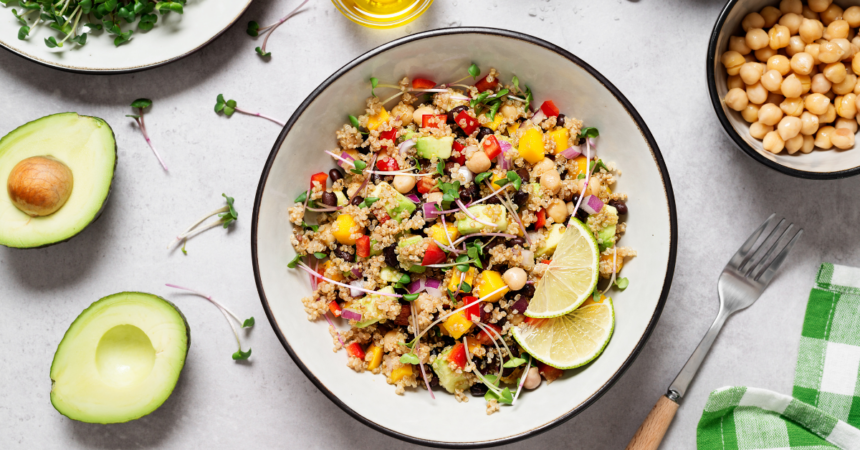
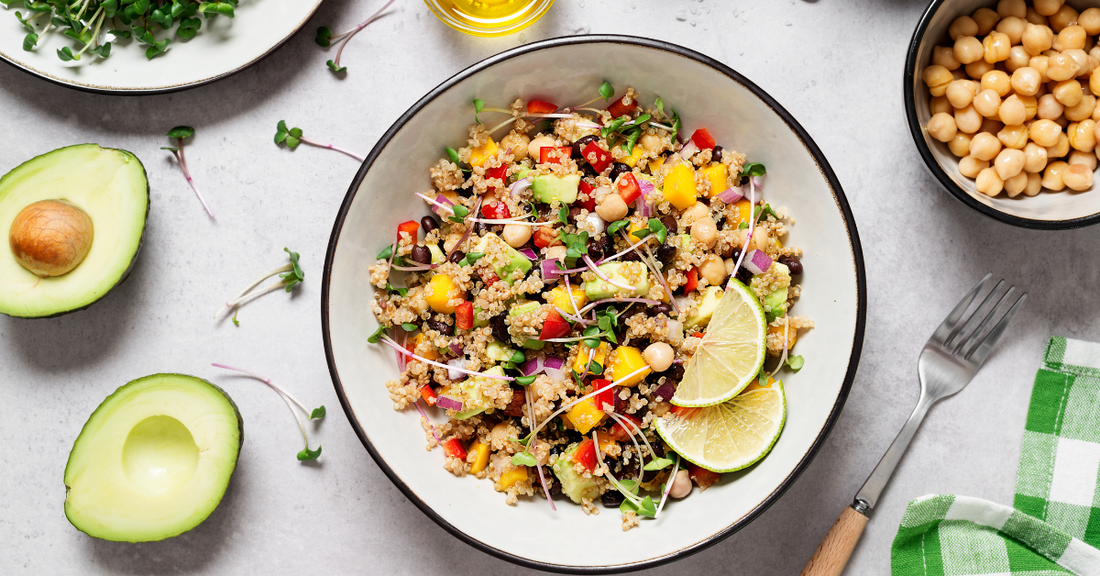
In the ever-evolving world of health and nutrition, new wellness trends regularly emerge on social media. One of the latest buzzwords gaining attention is “Fibremaxxing.” While the name may sound like another internet fad, the concept behind it is rooted in well-established nutritional science. Fibremaxxing simply means making a conscious effort to maximize your daily fibre intake through wholesome, nutrient-rich foods.
Dietary fibre plays a crucial role in maintaining overall health, yet many people consume far less than the recommended amount. By focusing on fibre-rich foods such as fruits, vegetables, whole grains, legumes, nuts, and seeds, Fibremaxxing encourages healthier eating habits that can benefit digestion, heart health, blood sugar control, and even weight management.
But is Fibremaxxing really as beneficial as it sounds? Let’s explore what it involves, its health benefits, and the best ways to safely increase your fibre intake.
What Is Fibremaxxing?
Fibremaxxing is the practice of intentionally adding more fibre-rich foods to your daily meals and snacks. Unlike restrictive diets that eliminate food groups, Fibremaxxing focuses on improving the quality of your diet by emphasizing naturally high-fibre ingredients.
Rather than counting calories, followers of this approach aim to include foods like:
- Whole grains
- Fresh fruits
- Vegetables
- Beans and lentils
- Chickpeas
- Oats
- Brown rice
- Chia seeds
- Flaxseeds
- Almonds and walnuts
The goal is to consistently meet or exceed the recommended daily fibre intake through balanced meals.
Why Is Fibre Important?
Dietary fibre is a type of carbohydrate that the body cannot fully digest. Instead of being broken down for energy, fibre moves through the digestive system, supporting various bodily functions.
There are two main types of fibre:
Soluble Fibre
Soluble fibre dissolves in water and forms a gel-like substance during digestion.
It helps:
- Lower cholesterol
- Stabilize blood sugar
- Improve heart health
- Support beneficial gut bacteria
Foods rich in soluble fibre include oats, apples, beans, citrus fruits, and barley.
Insoluble Fibre
Insoluble fibre adds bulk to stool and helps food move efficiently through the digestive tract.
Its benefits include:
- Preventing constipation
- Supporting regular bowel movements
- Improving digestive health
Whole grains, vegetables, nuts, and wheat bran are excellent sources of insoluble fibre.
Health Benefits of Fibremaxxing
Increasing your daily fibre intake offers numerous health advantages beyond improved digestion.
Supports Digestive Health
Perhaps the best-known benefit of fibre is its positive effect on digestion. Fibre promotes regular bowel movements, reduces constipation, and helps maintain a healthy digestive system.
A high-fibre diet may also lower the risk of digestive disorders such as diverticular disease.
Improves Gut Health
The human gut contains trillions of beneficial bacteria that play an important role in immunity and overall health.
Certain types of fibre act as prebiotics, providing nourishment for these healthy bacteria. A diverse gut microbiome has been linked to better digestion, improved immune function, and reduced inflammation.
Helps Manage Weight
High-fibre foods tend to be more filling than processed foods.
Because fibre slows digestion and increases feelings of fullness, it may reduce overeating and unnecessary snacking throughout the day.
People who regularly consume fibre-rich diets often find it easier to maintain a healthy body weight.
Promotes Heart Health
Several studies have shown that diets high in soluble fibre can help lower LDL (“bad”) cholesterol levels.
Combined with a balanced diet and regular exercise, higher fibre intake may reduce the risk of cardiovascular disease.
Supports Healthy Blood Sugar Levels
Fibre slows the absorption of sugar into the bloodstream, helping prevent sudden spikes in blood glucose.
This can be particularly beneficial for individuals with prediabetes or type 2 diabetes, as well as those looking to maintain stable energy levels throughout the day.
How Much Fibre Do You Need?
Daily fibre recommendations vary based on age and sex, but general guidelines suggest:
- Adult women: about 25 grams per day
- Adult men: about 30–38 grams per day
Unfortunately, many people consume significantly less than these recommendations due to diets high in refined carbohydrates and processed foods.
Fibremaxxing aims to close this nutritional gap through simple dietary changes.
Easy Ways to Increase Fibre Intake
You don’t need to overhaul your diet overnight. Small adjustments can make a big difference over time.
Start the Day with Whole Grains
Choose breakfasts such as:
- Oatmeal
- Whole-grain cereal
- Whole-wheat toast
- Overnight oats
These provide a fibre-rich foundation for the day.
Eat More Fruits and Vegetables
Aim to include fruits or vegetables with every meal.
Good choices include:
- Apples
- Pears
- Berries
- Broccoli
- Carrots
- Spinach
- Sweet potatoes
Whenever possible, eat fruits with the skin on, as much of the fibre is found there.
Choose Legumes Regularly
Beans, lentils, and chickpeas are among the richest fibre sources available.
They work well in:
- Soups
- Salads
- Curries
- Wraps
- Rice dishes
Snack Smarter
Replace processed snacks with healthier alternatives like:
- Mixed nuts
- Roasted chickpeas
- Fresh fruit
- Popcorn
- Seeds
These options provide fibre while also supplying vitamins and healthy fats.
Swap Refined Grains
Instead of white bread, white rice, or regular pasta, choose:
- Whole-wheat bread
- Brown rice
- Whole-grain pasta
- Quinoa
- Barley
These substitutions increase fibre without drastically changing your meals.
Can You Eat Too Much Fibre?
Although fibre is highly beneficial, increasing intake too quickly can cause temporary digestive discomfort.
Possible side effects include:
- Bloating
- Gas
- Abdominal cramps
- Constipation (if water intake is inadequate)
To avoid these issues:
- Increase fibre gradually.
- Drink plenty of water.
- Allow your digestive system time to adjust.
Most people tolerate gradual increases very well.
Fibre Supplements vs. Whole Foods
While fibre supplements can help individuals who struggle to meet daily requirements, whole foods remain the preferred source.
Whole foods provide additional nutrients such as:
- Vitamins
- Minerals
- Antioxidants
- Healthy fats
- Plant compounds
These nutrients work together to support overall health in ways supplements cannot fully replicate.
Is Fibremaxxing Worth Trying?
Unlike many social media health trends, Fibremaxxing is based on established nutritional principles rather than extreme dieting.
Its advantages include:
- Easy to follow
- Affordable
- Sustainable
- Flexible
- Suitable for most healthy adults
Because it encourages eating more fruits, vegetables, legumes, and whole grains, it aligns well with dietary recommendations from health experts around the world.
Conclusion
Fibremaxxing offers a practical and effective way to improve your overall diet by focusing on one essential nutrient that many people overlook. Increasing your fibre intake through whole, plant-based foods can support digestive health, nourish the gut microbiome, promote heart health, stabilize blood sugar, and help with weight management.
The key to success is making gradual, sustainable changes rather than relying on drastic dietary overhauls. By choosing more whole grains, fruits, vegetables, legumes, nuts, and seeds each day, you can easily boost your fibre intake while enjoying a wider variety of nutritious foods.
Ultimately, Fibremaxxing is more than just a wellness trend—it’s a simple, science-backed approach to eating healthier and supporting long-term well-being.