

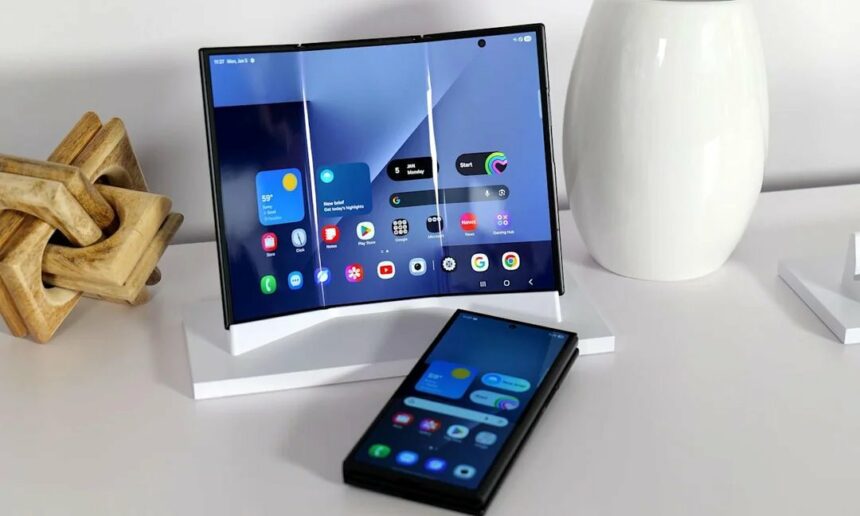

A Short-Lived Experiment
Samsung is reportedly winding down sales of its first triple-foldable smartphone, the Galaxy Z TriFold, barely three months after its release. What was once hyped as a breakthrough in smartphone design is now being quietly phased out.
The device, unveiled in December and launched in the U.S. by late February, stood out for its unique triple-fold design. It generated strong buzz and curiosity, positioning itself as one of the most ambitious foldable devices ever introduced.
However, the excitement didn’t translate into long-term availability.
Why Is Samsung Ending Sales So Soon?
The decision doesn’t necessarily point to failure. With a premium price tag of $2,899, the Galaxy Z TriFold was never meant for the mass market. In fact, reports suggest it saw solid interest within its niche segment.
The real challenge lies elsewhere.
Industry sources indicate that extremely high production costs made the device difficult to sustain. These challenges were further intensified by ongoing shortages of key components, particularly memory chips. Combined, these factors made large-scale production impractical.
There’s also another perspective: the TriFold may have always been more of a concept showcase than a long-term commercial product. Samsung appears to have used the device to demonstrate its engineering capabilities and push the boundaries of foldable technology.
What Happens Next?
Samsung will first discontinue sales in South Korea, followed by a gradual sell-off of remaining inventory in the United States.
As for the future, the company hasn’t committed to a successor. Executives have previously acknowledged that manufacturing such complex foldable devices remains a significant hurdle.
That said, the innovations introduced with the Galaxy Z TriFold are unlikely to go to waste. Elements of its design and technology could eventually be refined and integrated into more affordable, mainstream devices.
The Bigger Picture
The Galaxy Z TriFold may not have had a long shelf life, but it served an important purpose. It highlighted both the potential—and the current limitations—of next-generation foldable smartphones.
Sometimes, pushing boundaries isn’t about immediate success, but about setting the stage for what comes next.