


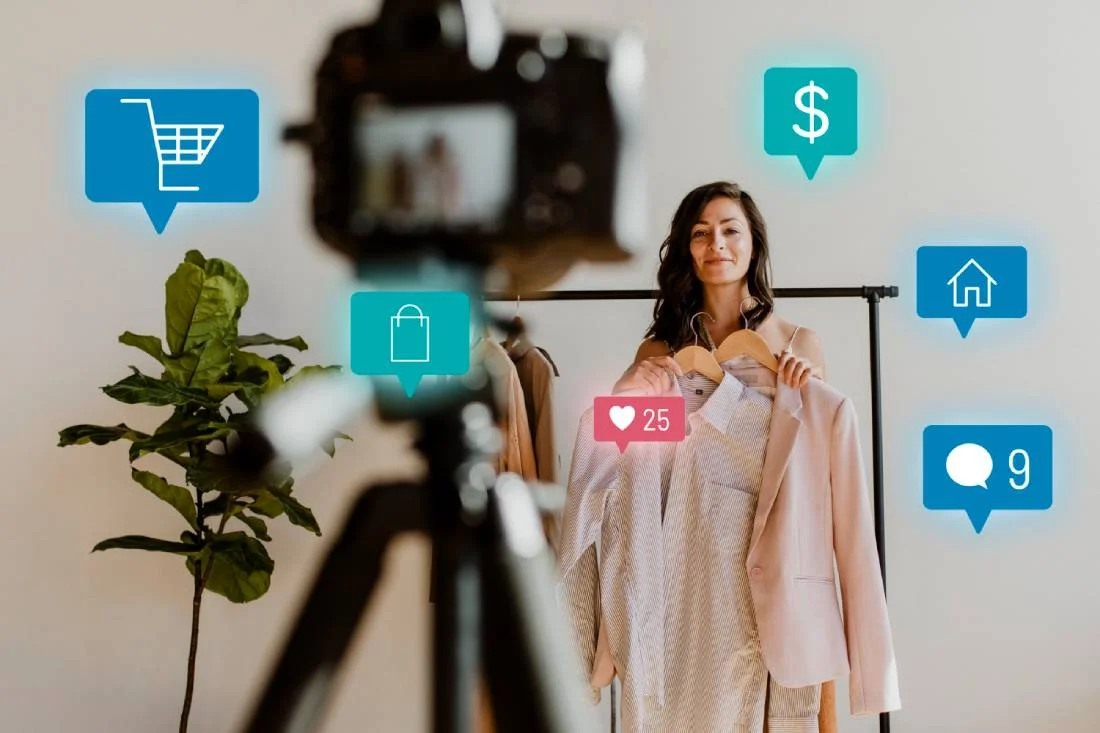
Social media has reshaped the fashion industry from the ground up. Today, platforms like TikTok, Instagram, and Pinterest don’t just showcase trends—they create them. From product launches to viral moments and instant purchases, everything now happens in real time. In fact, a large portion of global consumers regularly shop for fashion through social media, and with social commerce expected to cross the trillion-dollar mark in the coming years, its influence is only growing stronger.
But there’s a catch—what happens when a platform suddenly loses relevance or faces restrictions?
Recent uncertainty around TikTok has forced brands to confront a major risk: overdependence on a single channel. While TikTok has been incredibly powerful—especially for reaching younger audiences—platforms evolve, rules change, and trends shift quickly.
The solution? A flexible, cross-platform strategy that spreads your presence, adapts content for each channel, and measures success with meaningful data. Let’s explore how fashion brands can future-proof their social media approach.
Why Social Media Dominates Fashion Today
A single viral post can sell out inventory overnight. Influencers can turn unknown brands into global names. Even a casual behind-the-scenes clip can generate millions of views before a collection hits the runway.
Fashion now moves at the speed of a scroll. Platforms like TikTok, Instagram, and YouTube have become digital runways where discovery, engagement, and purchasing happen simultaneously.
For fashion, lifestyle, and beauty brands, social media isn’t optional anymore—it’s essential. But not all platforms deliver value in the same way, and understanding those differences is critical.
Platform Breakdown: Where Each One Shines
TikTok: The Viral Engine
TikTok has rapidly become a trend powerhouse. Its explosive growth has made it a key driver of visibility, especially through influencer-led content. Creators dominate the conversation here, making it ideal for brands looking to spark viral moments and connect with younger audiences. However, its unpredictability reinforces the need for diversification.
Instagram: The Industry Backbone
Despite rising competition, Instagram continues to lead in overall performance. It remains the go-to platform for polished visuals, product launches, and brand storytelling. With strong contributions from both brand-owned content and celebrity influence, it’s still the cornerstone of most fashion strategies.
YouTube: The Deep Storyteller
Often underrated, YouTube offers something other platforms can’t—depth. Long-form content like styling tutorials, fashion films, interviews, and product reviews helps build stronger emotional connections with audiences. It’s where brands can go beyond trends and build lasting loyalty.
Why a Multi-Platform Strategy Is Non-Negotiable
Relying on one platform is risky. A diversified approach allows brands to:
- Reach different audience segments across platforms
- Combine short-form viral content with long-form storytelling
- Stay resilient against algorithm changes or platform disruptions
Beyond the big three, platforms like Pinterest, Snapchat, and region-specific apps can help brands tap into niche or global audiences.
How to Build a Strong, Long-Term Social Strategy
1. Focus on Metrics That Matter
Likes and followers only scratch the surface. To understand real performance, brands should track:
- Engagement rate (interaction quality)
- Click-through rate (interest in action)
- Conversion rate (sales impact)
- Share of voice (market presence)
- ROI-driven metrics like Media Impact Value (MIV)
Using standardized metrics helps compare performance across platforms and allocate resources effectively.
2. Customize Content for Each Platform
One-size-fits-all content doesn’t work anymore. Each platform has its own language:
- Instagram: High-quality visuals, campaigns, Stories
- TikTok: Authentic, trend-driven, creator-led videos
- YouTube: Tutorials, interviews, long-form storytelling
- Pinterest: Inspiration boards and shopping ideas
- Snapchat & BeReal: Raw, real-time content
- Regional platforms: Localized influencer and review-driven content
Smart brands adapt core ideas into platform-specific formats rather than reposting identical content everywhere.
3. Use Different Voices to Expand Reach
Successful brands don’t rely on just one type of promotion. They mix multiple “voices”:
- Influencers: Drive discovery and engagement
- Celebrities: Boost visibility and credibility
- Owned media: Maintain brand control and storytelling
- Media coverage: Add authority and trust
- Partners: Open doors to new audiences
User-generated content also plays a powerful role. Real customers sharing real experiences create trust that no ad can replicate.
4. Test, Learn, and Adapt Constantly
Social media is always changing. The brands that win are the ones that experiment.
- Test different content formats
- Try new platform features
- Analyze performance regularly
- Compare results across channels
Data should guide every decision. Without it, you’re guessing. With it, you’re optimizing.
Proven Social Media Tactics for Fashion Brands
Stay Trend-Relevant, But Authentic
Jumping on trends can boost reach—but only if they align with your brand identity. Don’t chase every viral moment; choose the ones that fit your voice.
Encourage User-Generated Content
Customers trust other customers. Encourage them to tag your brand, share their looks, and participate in campaigns. This builds community and credibility.
Collaborate with Influencers at All Levels
From micro-influencers with loyal audiences to big-name creators with massive reach, a mix delivers the best results across the funnel.
Diversify Your Content Mix
Keep your audience engaged by rotating content types:
- Educate: Styling tips, sustainability insights
- Entertain: Trends, challenges, BTS clips
- Inspire: Campaign visuals, lifestyle content
- Engage: Polls, Q&As, interactive posts
Variety keeps your feed fresh and your audience interested.
The Future of Fashion Marketing on Social Media
Platforms will evolve. Trends will fade. Algorithms will change. But consumer attention isn’t disappearing—it’s simply shifting.
The brands that succeed will be the ones that move with that attention, not chase it blindly. By building a cross-platform presence, creating tailored content, and relying on data-driven insights, fashion brands can stay ahead of the curve.
In the end, future-proofing your strategy comes down to balance—between creativity and analytics, trends and identity, reach and relevance.
Get that balance right, and your brand won’t just survive the next shift in social media—it’ll thrive.