

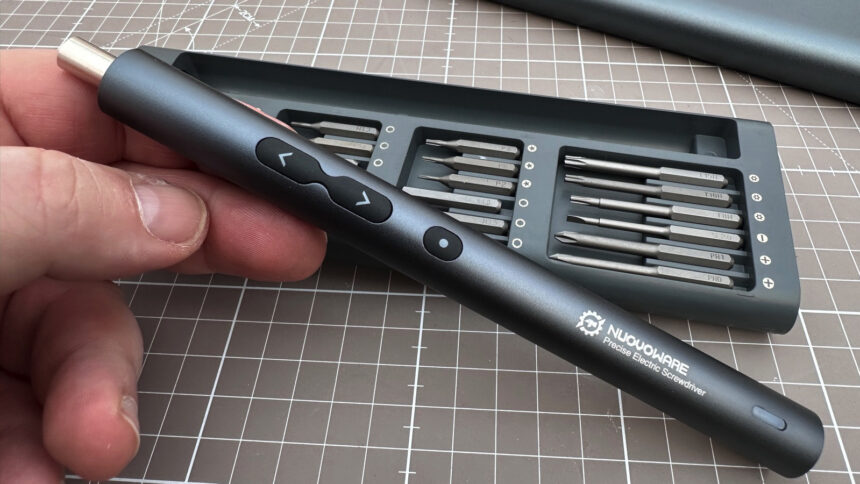

Mini electric screwdrivers have become essential tools for people who regularly work with small electronic devices, household gadgets, computers, and precision equipment. Unlike traditional manual screwdrivers, these compact electric tools use motorised rotation to make fastening and loosening tiny screws faster and easier. They are particularly useful for repairing smartphones, laptops, cameras, gaming controllers, watches, and other delicate electronic products.
However, not every mini electric screwdriver delivers the same level of performance. Differences in torque, battery life, speed control, bit quality, ergonomics, and overall build quality can significantly affect the user experience.
That is why laboratory testing and practical performance evaluations are important when identifying the best options. CG Lab Tested evaluations can help consumers understand which products offer reliable performance, convenient operation, and good value for money.
In this article, we explore the essential features of mini electric screwdrivers, what makes a quality model stand out, and how to choose the right tool for different repair and maintenance requirements.
What Is a Mini Electric Screwdriver?
A mini electric screwdriver is a compact, battery-powered tool designed to tighten and loosen small screws with minimal manual effort.
These devices typically feature a built-in rechargeable battery, a small electric motor, interchangeable screwdriver bits, and controls for forward and reverse rotation.
Most models are designed for precision applications rather than heavy-duty construction work.
Their compact dimensions make them particularly suitable for working in confined spaces where traditional power tools may be too large or difficult to control.
Common applications include:
-
Smartphone and tablet repairs.
-
Laptop and desktop computer maintenance.
-
Camera and electronic equipment repairs.
-
Gaming console and controller maintenance.
-
Small household appliance repairs.
-
Eyeglasses and other precision products.
-
DIY electronics projects.
Why Mini Electric Screwdrivers Are Becoming Popular
The growing popularity of mini electric screwdrivers is closely connected to the increasing number of electronic devices used in everyday life.
Modern gadgets contain numerous small screws that require precision handling. Opening these devices manually can be time-consuming, especially when performing repetitive repair tasks.
Mini electric screwdrivers simplify this process by providing controlled motorised rotation.
Faster and More Convenient Repairs
Electric operation reduces the physical effort required to tighten or loosen screws. This is especially beneficial for technicians who perform multiple repairs throughout the day.
Better Precision
Many models offer controlled rotational speeds and adjustable torque settings. These features help users work with delicate components while reducing the risk of damaging screw heads or surrounding materials.
Compact and Portable Design
Mini electric screwdrivers are generally lightweight and easy to carry. Many products also include organised storage cases for screwdriver bits and accessories.
Reduced Hand Fatigue
Repeated manual screwdriver use can cause discomfort during extended repair sessions. Motorised operation reduces the repetitive wrist movement required for basic fastening tasks.
Important Features to Consider When Choosing a Mini Electric Screwdriver
Before purchasing a mini electric screwdriver, consumers should evaluate several important specifications.
1. Torque Performance
Torque determines the rotational force generated by the screwdriver.
For precision electronics, excessive torque can damage delicate screws, plastic housings, and internal components. A suitable mini electric screwdriver should provide enough force for its intended applications without compromising control.
Adjustable torque settings are particularly useful because different devices require different fastening forces.
2. Speed Control
Rotational speed affects how quickly a screwdriver can tighten or loosen screws.
Some models offer multiple speed settings, allowing users to work slowly on delicate components and increase speed when handling less sensitive applications.
Variable speed control can provide greater flexibility during repairs.
3. Battery Life and Charging
Battery performance is another important consideration.
A rechargeable lithium-ion battery is commonly used in modern mini electric screwdrivers. However, actual operating time depends on battery capacity, motor efficiency, torque requirements, and usage frequency.
USB-C charging is a convenient feature because it allows users to recharge compatible devices using widely available charging cables.
4. Screwdriver Bit Selection
Different electronic products use different screw types and sizes.
A good mini electric screwdriver kit should include a useful selection of precision bits, such as:
-
Phillips bits.
-
Flathead bits.
-
Torx bits.
-
Hex bits.
-
Pentalobe bits.
-
Tri-point bits.
The availability of suitable bits can make a significant difference when repairing specialised electronics.
5. Ergonomic Design
A screwdriver should feel comfortable and balanced in the hand.
An ergonomic handle, easy-to-reach controls, and a lightweight body can improve handling during extended repair sessions.
Some models also feature LED lighting to illuminate dark or difficult-to-reach working areas.
What Does CG Lab Testing Mean for Mini Electric Screwdrivers?
Laboratory testing provides a structured way to evaluate the performance and reliability of consumer products.
For mini electric screwdrivers, a comprehensive evaluation can examine several important characteristics.
Torque consistency: Testing whether the screwdriver delivers consistent rotational force across repeated operations.
Battery performance: Evaluating charging behaviour, operating time, and battery efficiency.
Speed accuracy: Checking whether the tool maintains predictable rotational speeds under different working conditions.
Bit durability: Assessing the quality of included screwdriver bits and their resistance to wear.
Build quality: Examining the durability of the housing, buttons, charging connections, and internal components.
Ease of use: Evaluating grip comfort, control placement, noise levels, and overall handling.
A CG Lab Tested label or evaluation should be understood in the context of the specific tests performed. Consumers should review the testing methodology and results rather than assuming that every product has undergone identical procedures.
Types of Mini Electric Screwdrivers Worth Considering
Different users have different requirements. The best screwdriver for a professional electronics technician may not be the most suitable choice for someone who occasionally repairs household gadgets.
Precision Electric Screwdrivers
These models are designed primarily for small electronics and delicate components.
They typically offer low torque, compact bodies, and specialised screwdriver bits.
Rechargeable Mini Screwdrivers
Rechargeable models are convenient for regular household and DIY applications.
They eliminate the need for disposable batteries and often include charging indicators and protective storage cases.
Electric and Manual Hybrid Screwdrivers
Some products combine motorised operation with manual control.
This design allows users to use the electric motor for initial fastening and manual rotation for final adjustments where greater control is necessary.
Professional Electronics Repair Kits
Professional kits usually include a wider selection of precision bits, accessories, magnetic components, and organised storage solutions.
They are particularly useful for technicians who regularly repair smartphones, computers, cameras, and other electronic equipment.
How to Use a Mini Electric Screwdriver Safely
Although mini electric screwdrivers are relatively simple tools, proper handling is important when working with sensitive electronic devices.
Follow these precautions:
-
Select the correct screwdriver bit before starting the repair.
-
Make sure the bit fits securely into the screw head.
-
Use an appropriate torque setting for the component.
-
Avoid applying unnecessary pressure during operation.
-
Keep screws organised to prevent losing small components.
-
Disconnect electronic devices from power before opening them.
-
Follow manufacturer instructions when working with batteries or delicate internal components.
Users should also avoid using precision electric screwdrivers for applications that require substantially higher torque than the tool is designed to provide.
Mini Electric Screwdriver vs Traditional Manual Screwdriver
Both tools have advantages, and the right choice depends on the nature of the work.
| Feature | Mini Electric Screwdriver | Manual Screwdriver |
|---|---|---|
| Operation | Motor-powered | Hand-powered |
| Working speed | Generally faster | Generally slower |
| Physical effort | Lower | Higher |
| Precision | Depends on torque control | Depends on user control |
| Battery | Usually rechargeable | Not required |
| Portability | Compact | Compact |
| Maintenance | Requires battery care | Minimal maintenance |
For repetitive electronics repairs, an electric model can improve efficiency. However, manual screwdrivers remain useful for delicate adjustments and situations requiring precise control over rotational force.
Common Mistakes to Avoid When Buying a Mini Electric Screwdriver
Choosing a screwdriver based only on its appearance or advertised specifications can lead to disappointment.
Here are some common purchasing mistakes:
-
Ignoring torque specifications: Higher torque is not always better for precision electronics.
-
Overlooking bit compatibility: A limited bit selection may restrict the types of repairs you can perform.
-
Ignoring battery capacity: A weak battery can interrupt longer repair sessions.
-
Choosing poor-quality accessories: Low-quality bits may wear out quickly or damage screw heads.
-
Ignoring ergonomics: An uncomfortable grip can make precision work difficult.
-
Overlooking warranty support: Reliable after-sales service can be important for frequently used tools.
Comparing these factors before purchasing can help consumers make a more informed decision.
Who Should Buy a Mini Electric Screwdriver?
Mini electric screwdrivers are suitable for a wide range of users.
Electronics repair technicians can use them for repetitive fastening tasks. DIY enthusiasts can keep them in their home toolkits for small maintenance projects. Computer enthusiasts may find them useful when assembling or maintaining compatible components.
They are also practical for hobbyists who regularly work with electronic kits, small appliances, and precision equipment.
However, people who only occasionally tighten household screws may find a traditional manual screwdriver sufficient.
Conclusion
The best mini electric screwdrivers combine precision, reliable torque, comfortable handling, good battery performance, and durable accessories. CG Lab Tested evaluations can help consumers understand how these tools perform under structured testing conditions and identify the features that matter most.
Before purchasing, consider your intended applications, required torque, available screwdriver bits, charging options, and overall build quality.
Ultimately, the right mini electric screwdriver is not necessarily the most expensive or powerful model. It is the one that provides dependable performance, protects delicate components, and makes everyday repair tasks easier and more efficient.