

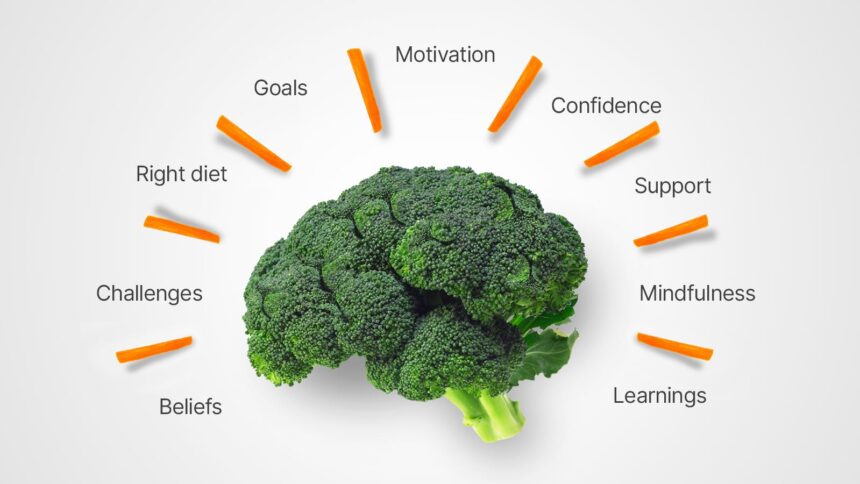

DIET is a distinct four-letter term, isn’t it? It carries a variety of implications that often result in the “diet” being ineffective. When you are diagnosed with type 2 diabetes, prediabetes, or if you are classified as overweight or obese, it might appear necessary to adhere to a stringent meal plan, leading you to believe there are foods you will “never” consume again. While altering your diet can indeed assist in managing or preventing type 2 diabetes, studies indicate that focusing on weight loss through dieting may not be the most effective approach. Sustainable changes that fit your lifestyle and align with your health objectives tend to be more successful and easier to maintain.
Why Diets Don’t Work
To start, how do we define “diet”? A diet simply refers to the foods you consume on a daily basis. Yet, many individuals view a diet as a regimen that restricts the quantity or variety of food intake. When people mention “going on a diet,” they often imply a short-term alteration aimed at rapid weight loss.
A common perception is that dieting is the most effective method for weight reduction. You might know someone (or even be that person) who shed a significant amount of weight through a diet. However, did they keep the weight off?
Most likely not. Evidence reveals that 95 to 98% of those who embark on short-term diets to shed pounds end up regaining the weight, with up to two-thirds actually gaining more than they originally lost. Consequently, short-term dieting is ineffective for the majority.
Frequent dieting along with managing ongoing health issues through diet can lead to stress and anxiety, negatively affecting your relationship with food. This may result in unhealthy eating patterns and could potentially lead to eating disorders. If you believe your eating habits are concerning, it is advisable to consult your physician or a registered dietitian nutritionist.
Breaking Free from the Diet Mindset
The “diet mindset” involves the belief that there are specific guidelines dictating what you should or should not consume. This mindset can be distracting and foster feelings of shame, guilt, anxiety, or a sense of deprivation regarding food. Such attitudes can hinder your ability to tune into your body’s signals of hunger, fullness, and contentment.
Experiment with these approaches to shift away from a restrictive diet mentality and become more conscious about your eating habits to support your health objectives:
Instead of categorizing foods as “good” or “bad”: Consider foods as neutral. The way you eat doesn’t define your worth, and there is no need to feel ashamed or guilty about enjoying certain foods.
Instead of adhering to strict rules about what you “can” or “cannot” eat: Discover how your body reacts to various foods and recognize which choices might be better for you. Rather than saying, “I cannot have this,” try thinking, “This specific food doesn’t yield a favorable response in my blood glucose. ”
Instead of tallying calories: Tune into your body. Allow hunger and fullness cues to dictate how much you eat or whether you choose to eat at all. Consume your meals slowly and enjoy the flavors. Your stomach generally takes about 20 minutes to inform your brain that it has had enough, making it essential to slow down to prevent overeating.
Instead of measuring progress by numbers like weight or A1C levels: Monitor other aspects such as improved mood, enhanced energy, increased mobility, and better sleep quality. While these metrics are significant, it is also vital to acknowledge your achievements related to behavior changes and your general sense of wellbeing.
Instead of viewing eating as a chore: Reignite your love for food! Practice mindful eating by taking your time and relishing the tastes, textures, and scents of your meals. This approach can help restore the enjoyment of food, leading to greater satisfaction with your meals. Food serves not just as sustenance, but as an integral part of cultural traditions, celebrations, and community bonding.
Instead of suppressing your cravings: Acknowledge them. Test your blood glucose levels when cravings arise: if it’s low, you might be experiencing a “physiological craving”—indicating your body needs nourishment. If it is normal or elevated, it could be an “emotional craving. ” Identify the triggers for emotional eating and create strategies to cope with it. Portion control is crucial. A small amount of dark chocolate paired with nuts may satisfy your desire without significantly affecting your blood glucose levels. Eating smaller portions of carb-rich favorites can also be balanced with healthy fats or proteins to help manage blood sugar spikes. Regularly monitoring your blood glucose is essential!
Instead of exercising solely to burn calories: Explore enjoyable ways to stay active. View physical activity as a way to celebrate your body’s abilities rather than a reminder of its limitations. Take a walk in nature, dance at home, or invite a friend to join you in being active. These are all enjoyable ways to move your body.