

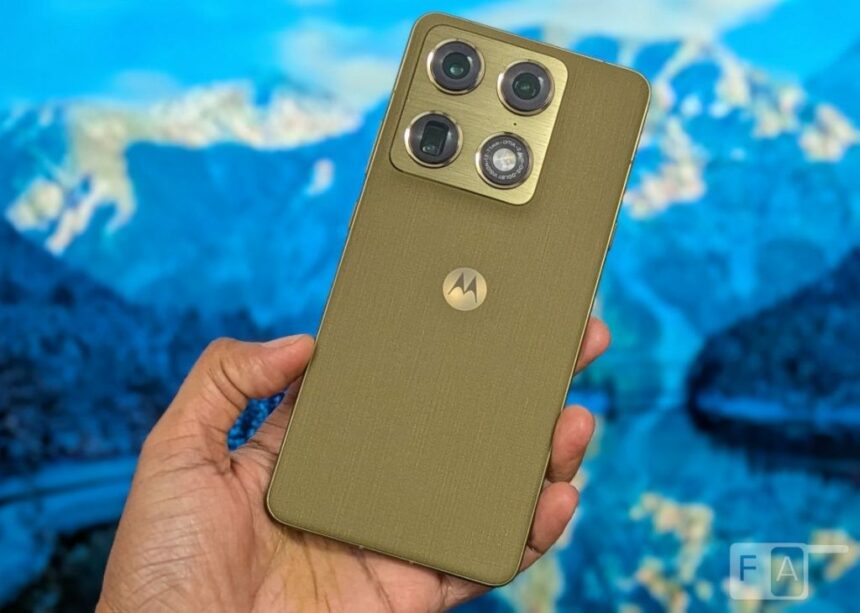
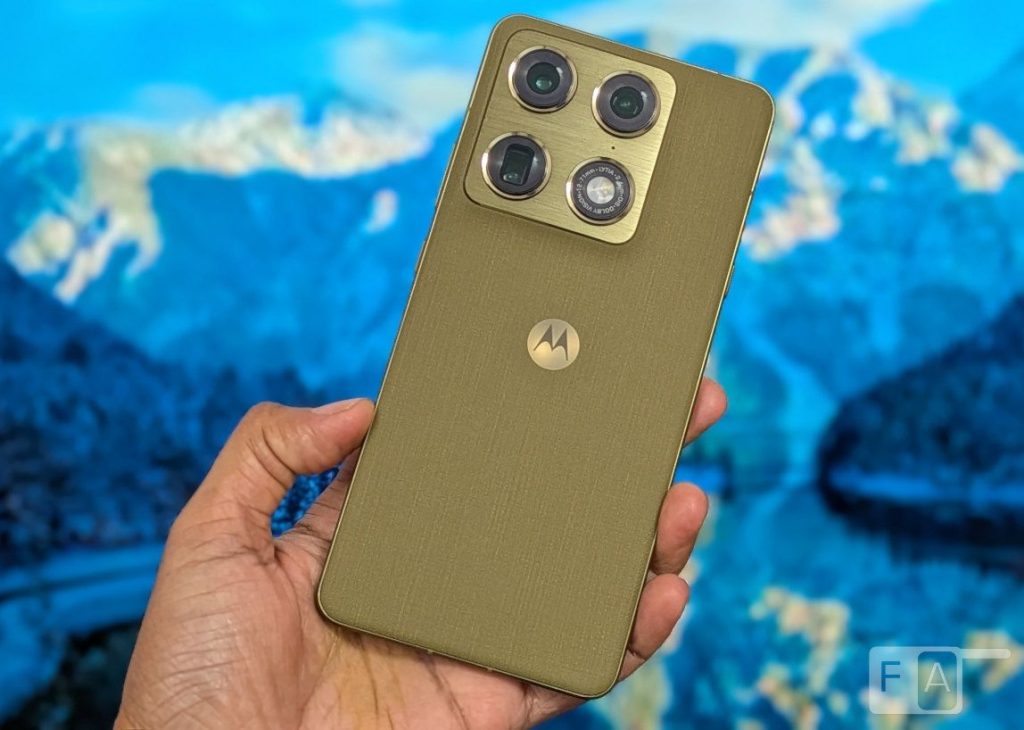
In the world of smartphones, flagship phones made by well-known brands like Samsung, Apple, and Google will cost more than ever in 2026. Top-of-the-line gadgets like the Samsung Galaxy S26, iPhone 18, and Google Pixel 10 typically cost more than $1,000 or even $1,500. The Motorola Signature is a brand-new flagship phone from Motorola that boasts high-end features at a more affordable cost.
It aims to be a “flagship killer” starting at approximately 54,999 in India (with discounts) or 899.99 globally. We examine its design, display, performance, camera, battery, software, and how it compares to the competition in this comprehensive review. Is it well worth the money? Let’s discover.
A Brief Overview of the Motorola Signature
Motorola makes a significant comeback to the non-foldable flagship market with the Motorola Signature. Motorola has launched this phone to compete with the giants after focusing on foldables like the Razr series. With a Snapdragon 8 Gen 5 processor, triple 50MP cameras, and a sleek design, it packs a punch.
It stands out because of its balance—it doesn’t follow every trend but instead focuses on what users really need: value, dependability, and comfort. The Signature offers premium features without the premium markup at a time when other flagships feel overpriced. It is available in black, bronze, and green colors, and it comes with rare extras like a luxury butler service for repairs and support.
Design and construction quality
The Motorola Signature has a design that is both familiar and polished. It has a flat OLED screen that is 6.7 inches wide and has thin bezels, making it easy to hold and use with one hand. With an IP68 water and dust resistance and a matte finish that prevents fingerprints, the back has a premium feel and is durable. The extra toughness that Motorola has added, like Gorilla Glass on both sides, makes it more resistant to drops than many of its competitors. It is lighter and slimmer than the Samsung Galaxy S26 Ultra, which is bulky.
The Signature is more comfortable to use for extended periods of time, despite the iPhone 18’s similar premium build. While Motorola keeps things simple with physical buttons that are clicky and responsive, the OnePlus 15 features a unique alert slider. Overall, the design sticks to the basics while playing safe. There are no flashy curves, just good ergonomics.
Display
The display stands out. It has a 6.7-inch OLED panel with a 120Hz refresh rate and 1.5K resolution (2712 x 1220 pixels). For videos and games, this means smooth scrolling, vivid colors, and sharp details. It has a brightness that peaks at over 1,500 nits, making it visible even in bright sunlight, and it supports HDR10+ for improved contrast in movies.
It can compete with the best rivals. The Google Pixel 10 is similar in size, but the software has been improved by Google to improve color accuracy. The Samsung Galaxy S26 has a screen with a higher resolution, QHD+, but it’s hard to tell the difference when you use it every day. While the Signature’s Super Retina XDR display is comparable to that of the iPhone 18, it costs half as much. It is bright, responsive, and energy-efficient, with no major flaws.
Hardware and Performance
The Motorola Signature is lag-free for everything from multitasking to intense gaming thanks to the Snapdragon 8 Gen 5 chipset. It has 512GB of storage and up to 12GB of RAM, ensuring smooth operation. Although it performs similarly to the Galaxy S26, which shares the same chip, in real-world tasks, Motorola’s optimization makes it feel more responsive.
Although some critics point out that the Gen 5 isn’t the best chip (unlike the Gen 6 in ultra-premium models), most users find it sufficient. Unlike the OnePlus 15, which has overheating issues, it stays cool during prolonged use. Gaming on Genshin Impact is fluid at high settings, and it supports fast 5G and Wi-Fi 7 for connectivity that is ready for the future. Without unnecessary gimmicks, it’s a strong competitor in terms of hardware.
Camera Network
A triple 50MP system with a main sensor, ultrawide, and telephoto lens is impressive for the price. The main camera, taken from high-end Vivo models, takes clear pictures with natural colors and performs well in low light. The telephoto has a 3x optical zoom for clear portraits, and the 50MP ultrawide can handle wide shots without causing distortion. It outperforms many mid-range phones and competes with flagships in comparison. While the Signature’s photos are sharper in daylight, the iPhone 18 excels in video.
Motorola’s clean processing avoids the oversaturation seen in Samsung’s S26, whereas Google Pixel 10’s AI magic gives it an advantage in editing. The 32MP front camera takes good selfies and can record 8K video. It’s not perfect, and the night mode could be faster, but it’s one of the best for this price.
Charge Time and Battery Life
The Signature can stream and play games for a full day thanks to its 5,000mAh battery. It supports wireless charging at 15W and supports 68W fast charging, which can reach 100 percent in under 45 minutes. To increase battery life, Motorola incorporates eco-friendly features like battery optimization.
It has a battery capacity comparable to that of the Galaxy S26, but it charges faster than the iPhone 18, which continues to lag behind. The Signature is more cost-effective, but the Pixel 10 has a longer standby time, making it a good choice for traveling. It’s useful and easy to use, so there are no complaints here.
Features and Software
The Signature has a simple user interface and no bloatware, running Android 16 close to stock. Similar to Samsung and Google, Motorola promises OS updates for five years and security patches for six years. AI photo editing tools and gesture controls are among the features, as is the exclusive butler service for individualized assistance.
It is more customizable on iPhone 18 than iOS. On the S26, Samsung’s One UI has more features, but Motorola keeps it simple and quick. Users who are sick of software that is cluttered will appreciate this change.
How it stacks up against major rivals
The Motorola Signature shines because it costs 50-60% less than flagships with higher prices and provides 80-90 percent of what they do. It performs similarly to the Samsung Galaxy S26, which starts at $1,200, but lacks the S Pen. The Signature is more affordable and open than the iPhone 18 ($1,099), but the iPhone 18 integrates the ecosystem better.
The AI capabilities of the Google Pixel 10 ($899) outweigh Motorola’s superior cameras and design. The OnePlus 15 is quick, but the Signature overall feels more expensive. It’s a steal at 54,999 rupees in India when compared to rivals priced over 1,000,000 rupees.