
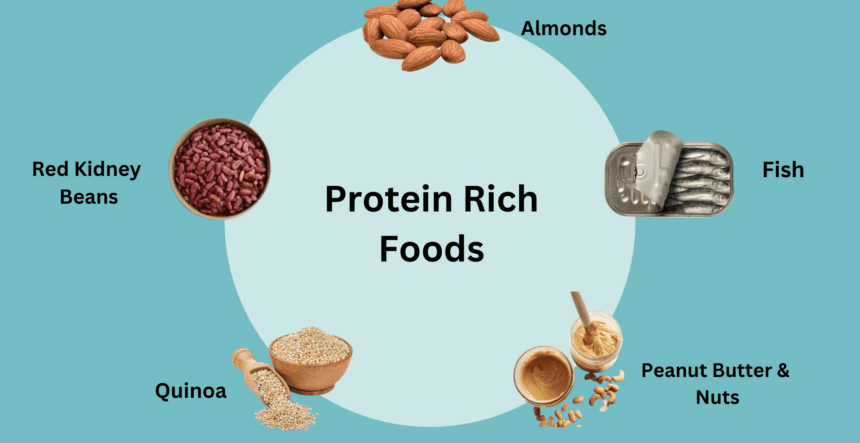
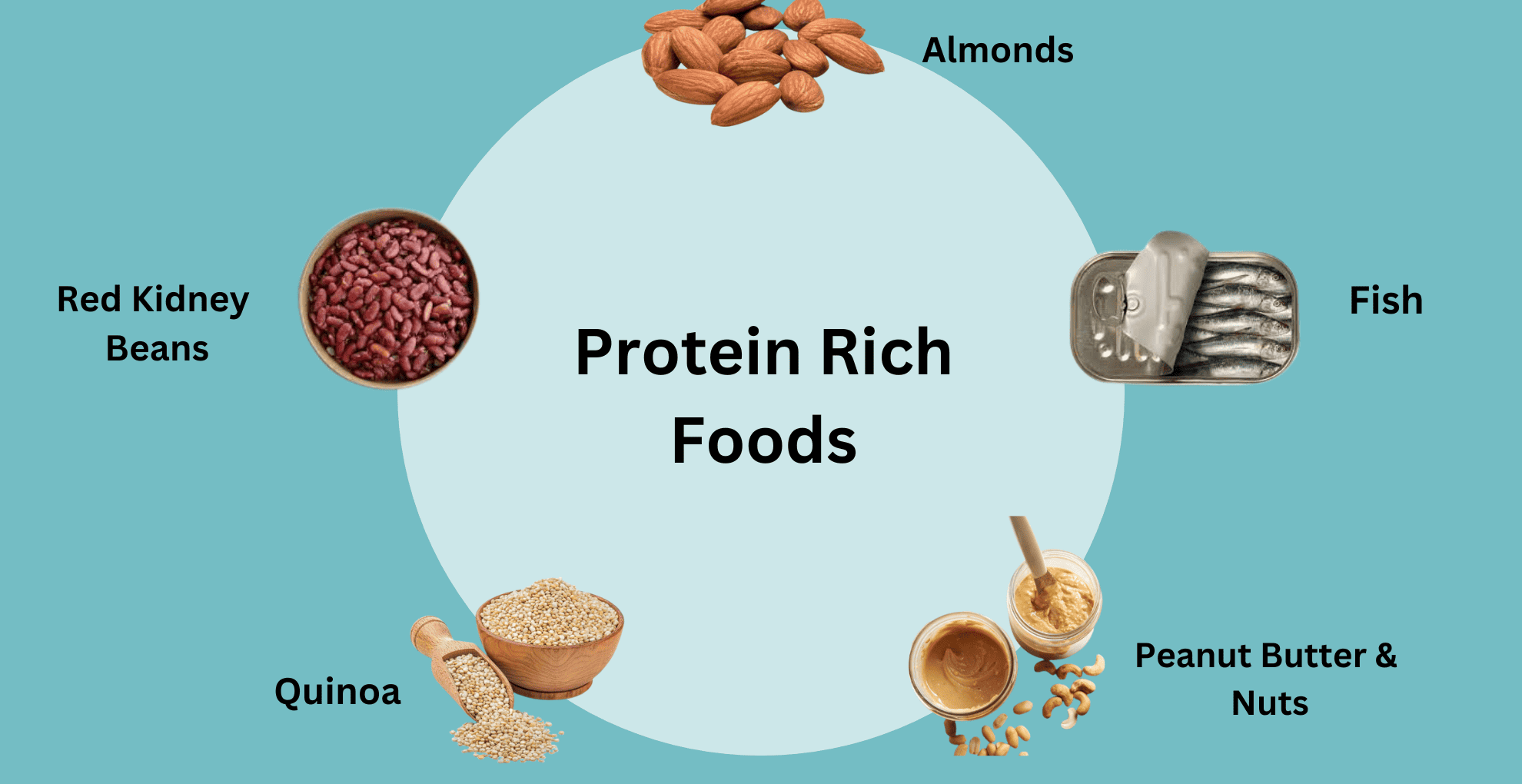
Protein is a fundamental nutrient your body relies on for growth, repair, and overall performance. From building strong muscles to boosting immunity and sustaining energy, protein plays a central role in keeping you healthy.
Whether your goal is weight loss, muscle gain, or simply maintaining a balanced lifestyle, understanding which foods are high in protein can help you make smarter dietary choices. The good news? There’s no shortage of options — from animal-based sources to high-protein vegan foods and even low-calorie choices.
Why Protein Matters
Protein is made up of amino acids — the building blocks your body uses to function properly. It supports:
- Muscle growth and recovery
- Hormone and enzyme production
- Healthy skin, hair, and nails
- A strong immune system
- Better weight control
One major benefit? Protein helps you feel full longer, reducing unnecessary snacking and cravings.
How Much Protein Do You Need?
Your daily protein requirement depends on your lifestyle:
- Sedentary adults: ~0.8 g per kg of body weight
- Active individuals: 1.2–2.0 g per kg
- Older adults: 1.0–1.2 g per kg
20 High-Protein Foods to Add to Your Diet
1. Eggs
A complete protein source packed with all essential amino acids.
Why eat them: Great for muscle repair, brain health, and satiety.
2. Chicken Breast
Lean, high-quality protein ideal for fitness goals.
Why eat it: Supports muscle growth with minimal fat.
3. Fish (Salmon, Tuna)
Loaded with protein and omega-3 fatty acids.
Why eat it: Boosts heart and brain health.
4. Greek Yogurt
Thicker and richer than regular yogurt.
Why eat it: Supports digestion and keeps hunger in check.
5. Paneer (Cottage Cheese)
A vegetarian favorite in India.
Why eat it: Strengthens bones and supports muscle repair.
6. Lentils (Dal)
A staple plant-based protein.
Why eat them: High in fiber, iron, and energy.
7. Chickpeas
Nutritious and filling legumes.
Why eat them: Great for digestion and long-lasting energy.
8. Kidney Beans (Rajma)
Protein-packed and satisfying.
Why eat them: Helps regulate blood sugar and gut health.
9. Tofu
A versatile soy-based protein.
Why eat it: Low-calorie and excellent for plant-based diets.
10. Quinoa
A rare complete protein among grains.
Why eat it: Gluten-free and nutrient-dense.
11. Almonds
A protein-rich, healthy snack.
Why eat them: Supports heart and brain function.
12. Peanuts
Affordable and widely available.
Why eat them: Provide protein and sustained energy.
13. Oats
A breakfast staple with protein and fiber.
Why eat them: Helps digestion and keeps you full.
14. Milk
A complete nutritional package.
Why drink it: Strengthens bones and aids recovery.
15. Soybeans
One of the richest plant protein sources.
Why eat them: Excellent for vegetarians and muscle growth.
16. Pumpkin Seeds
Tiny but nutrient-dense.
Why eat them: Boost immunity and heart health.
17. Chia Seeds
Packed with protein, fiber, and omega-3s.
Why eat them: Supports digestion and weight control.
18. Broccoli
A surprising plant-based protein source.
Why eat it: Rich in antioxidants and supports immunity.
19. Spinach
A leafy green with added protein benefits.
Why eat it: Improves iron levels and energy.
20. Protein Smoothies
Quick and customizable.
Why drink them: Perfect for busy lifestyles and post-workout recovery.
Plant vs Animal Protein: What’s the Difference?
- Animal protein (eggs, chicken, fish, dairy) is complete and easily absorbed. It’s ideal for muscle growth and quick recovery.
- Plant protein (lentils, tofu, quinoa, chickpeas) is rich in fiber and supports long-term health, though combining sources ensures complete nutrition.
Best High-Protein, Low-Calorie Foods
If weight loss is your goal, focus on:
- Boiled eggs
- Greek yogurt
- Lentils
- Tofu
- Broccoli
These foods help preserve muscle while keeping calories in check.
Easy Ways to Add Protein to Your Diet
- Start your morning with eggs or oats
- Include dal or beans in lunch
- Snack on nuts and seeds
- Add dairy or tofu to dinner
- Try protein smoothies for convenience
Common Mistakes to Avoid
- Ignoring plant-based protein sources
- Relying too much on processed protein
- Skipping meals
- Not balancing protein with carbs and fats
A balanced approach always works best.
Final Thoughts
Adding protein-rich foods to your daily meals is one of the simplest ways to improve your health, boost energy, and support muscle growth. With so many choices — from animal-based to vegan and low-calorie options — creating a nutritious diet is easier than ever.
Making informed decisions about protein intake can help you move closer to your fitness and wellness goals with confidence.
FAQs
Which foods are highest in protein?
Eggs, chicken, fish, lentils, and tofu are excellent choices.
What are the best vegan protein sources?
Lentils, chickpeas, tofu, quinoa, and soybeans.
Are high-protein, low-calorie foods good for weight loss?
Yes, they help maintain muscle while reducing overall calorie intake.
How much protein do I need daily?
Typically 0.8–2.0 g per kg of body weight, depending on activity level.
Can I get enough protein without eating meat?
Absolutely — combining plant-based foods can meet your protein needs effectively.