

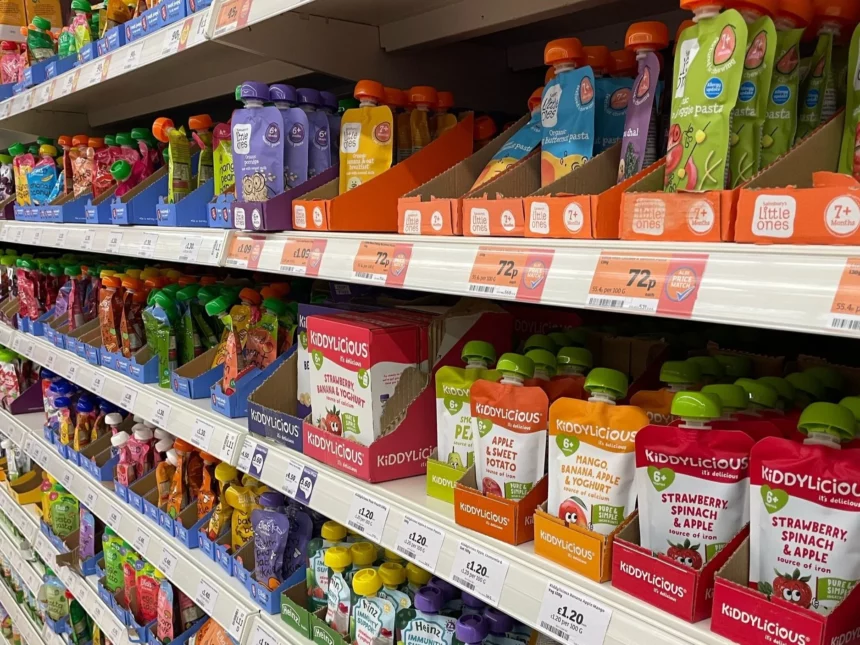
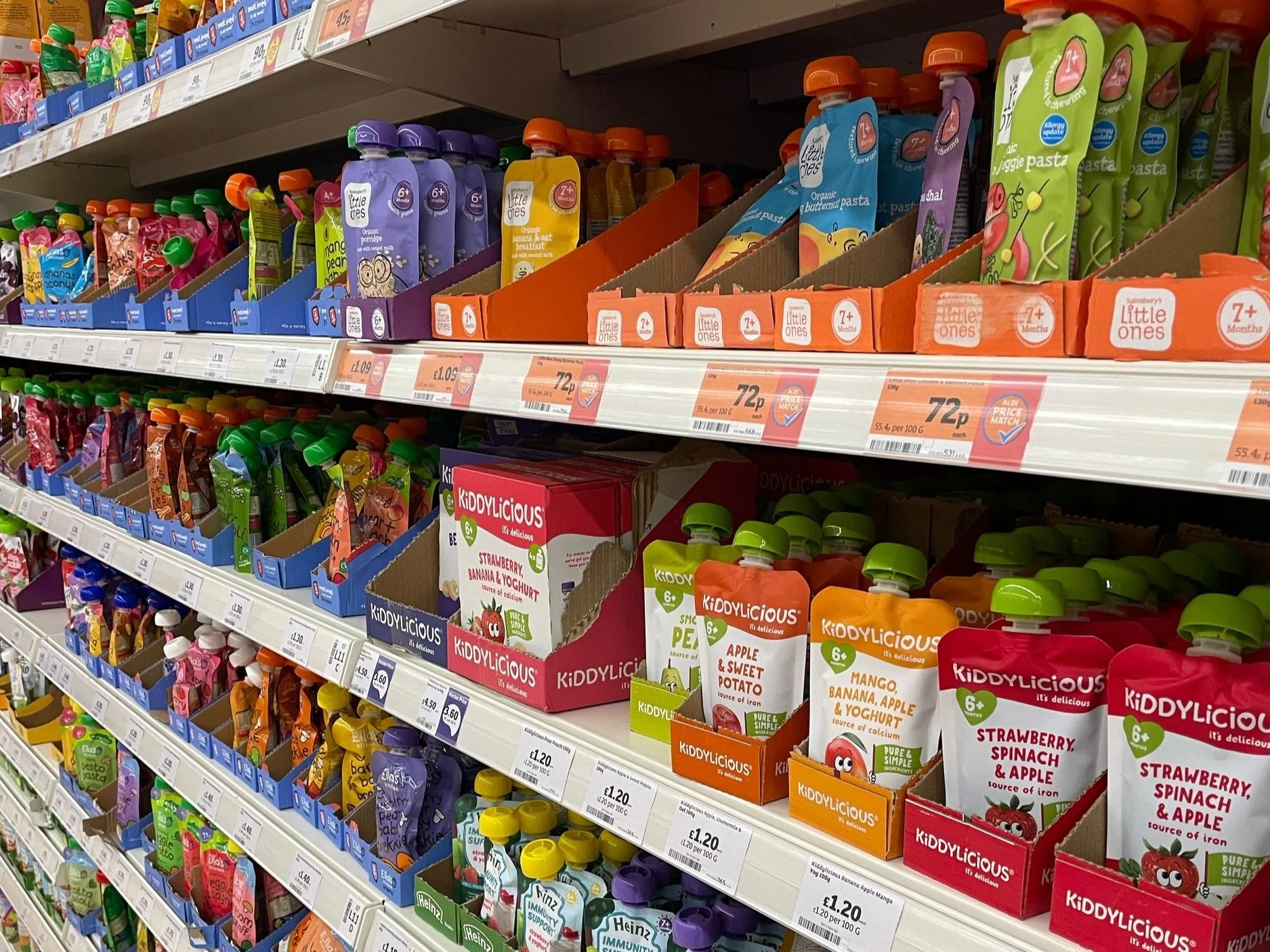
Nutrient Profile Models (NPMs) are tools used to evaluate how healthy a food item is based on its nutritional makeup. They assess both beneficial nutrients—like fibre, vitamins, and whole foods—and those that should be limited, such as sugar, sodium, and saturated fat. The outcome is typically presented as a score, grade, or visual label, making it easier to understand a product’s overall nutritional quality.
For food service businesses, NPMs are becoming increasingly important. They not only help with regulatory compliance but also support menu development and transparent communication with customers who are more health-conscious than ever.
Why NPMs Matter More Than Ever
Today’s consumers are paying closer attention to what they eat, and governments worldwide are tightening regulations around nutrition. By using NPMs, businesses can:
- Design healthier menus
- Build trust through transparency
- Stay compliant with evolving policies
- Contribute to reducing diet-related diseases like diabetes and heart conditions
In short, NPMs are no longer optional—they’re becoming essential.
A Global Perspective on Nutrient Profiling
There are more than 160 different nutrient profiling models used around the world. This variety exists because dietary habits and public health priorities differ by region.
Despite these differences, most models follow the same principle: balancing positive nutrients against those that should be limited to determine a food’s overall health score.
Where NPMs Are Used
Nutrient profiling plays a key role across several areas:
1. Front-of-Pack Labelling
Systems like Nutri-Score (France), Health Star Rating (Australia & New Zealand), and traffic light labels (UK & Ireland) help consumers quickly assess food quality. While originally designed for packaged goods, many restaurants and food services are now adopting similar approaches.
2. Advertising Regulations
In countries like the UK, NPMs are used to restrict the promotion of foods high in fat, sugar, and salt—especially to children.
3. Product Reformulation
Food manufacturers and service providers use NPMs to improve recipes by reducing unhealthy ingredients and enhancing nutritional value.
Challenges to Consider
While NPMs offer clear benefits, they also come with challenges:
- Different models use different criteria, making standardization difficult
- Businesses may resist changes due to cost or complexity
- Nutritional science is constantly evolving, requiring regular updates
Moving forward, there’s a need for more consistency, better transparency, and smarter technology to simplify adoption.
The Role of Technology in Simplifying NPMs
Calculating nutrient profiles manually can be complex and time-consuming. It involves gathering detailed data on calories, fats, sugars, protein, fibre, and more—often from multiple sources.
Once collected, this data must be processed using specific formulas for each model. For businesses handling multiple recipes, this can quickly become overwhelming.
That’s where modern solutions come in.
How Tools Like Nutritics Help
Platforms like Nutritics streamline the entire process by offering real-time food information management. They allow businesses to:
- Automatically calculate nutrient profiles for recipes
- Access multiple global models like Nutri-Score, HFSS, and Health Star Rating
- Manage allergen and calorie information efficiently
By reducing manual work and improving accuracy, these tools help food operators stay compliant while delivering better, healthier options to customers.
Final Thoughts
Nutrient Profile Models are shaping the future of food service. As demand for healthier, transparent options grows, businesses that understand and adopt these models will be better positioned to succeed.
With the right approach—and the right technology—navigating NPMs doesn’t have to be complicated. It can become a powerful advantage.