

Introduction
Continuous Positive Airway Pressure (CPAP) therapy is one of the most effective treatments for obstructive sleep apnea (OSA), a condition in which breathing repeatedly stops and starts during sleep. Millions of people around the world use CPAP machines to improve their sleep quality, reduce daytime fatigue, and lower the risk of serious health complications. However, many people wonder whether they can obtain a CPAP machine without undergoing a sleep test.
The short answer is that, in most cases, a sleep test is required before a CPAP machine is prescribed. A proper diagnosis ensures that the treatment is appropriate and that the machine settings are tailored to the patient’s needs. This article explains why sleep testing is important, the circumstances under which a CPAP machine may be obtained, and the alternatives available for those experiencing symptoms of sleep apnea.
What Is a CPAP Machine?
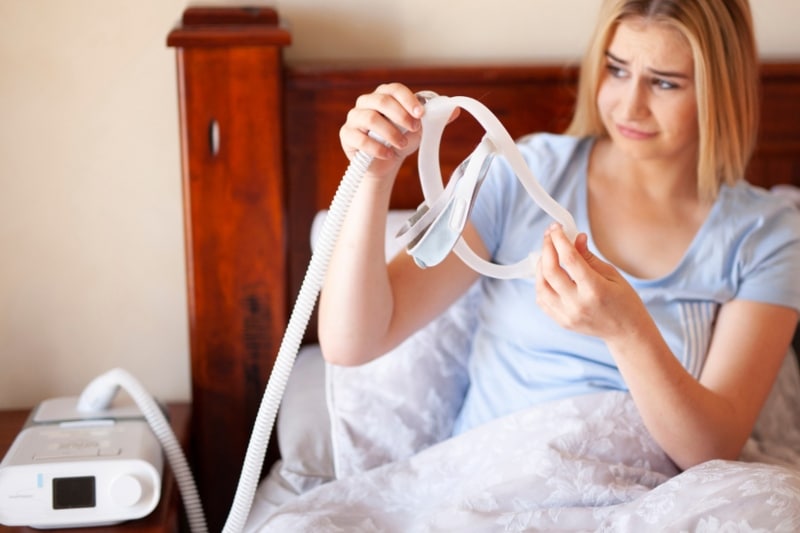
A CPAP machine is a medical device that delivers a continuous stream of pressurized air through a mask while you sleep. This steady airflow helps keep the airway open, preventing breathing interruptions caused by obstructive sleep apnea.
A typical CPAP system includes:
- A CPAP machine
- An air hose
- A face or nasal mask
- Filters
- A humidifier (optional but common)
By maintaining an open airway, CPAP therapy reduces snoring, improves oxygen levels, and promotes uninterrupted sleep.
Why Is a Sleep Test Necessary?
A sleep test, also known as a sleep study or polysomnography, helps healthcare providers determine whether you have sleep apnea and how severe it is. It records important information while you sleep, including:
- Breathing patterns
- Blood oxygen levels
- Heart rate
- Brain activity
- Body movements
- Sleep stages
These results help doctors decide whether CPAP therapy is appropriate and determine the correct air pressure settings for effective treatment.
Types of Sleep Tests
There are two primary types of sleep studies used to diagnose sleep apnea.
In-Lab Sleep Study
This comprehensive test is conducted overnight in a sleep center under the supervision of trained technicians. It provides detailed information and is often recommended for complex sleep disorders or when additional medical conditions are present.
Home Sleep Apnea Test
Many people with suspected obstructive sleep apnea can complete a home sleep test using portable monitoring equipment. This option is more convenient, less expensive, and suitable for many patients with straightforward symptoms.
Both methods can provide valuable information for diagnosing sleep apnea and guiding treatment.
Can You Buy a CPAP Machine Without a Sleep Test?
In some places, it may be technically possible to purchase certain CPAP devices without a formal prescription through online marketplaces or second-hand sellers. However, this is generally not recommended.
Using a CPAP machine without a proper diagnosis can lead to several issues:
- Incorrect pressure settings
- Poor treatment results
- Unnecessary discomfort
- Failure to treat the actual sleep disorder
- Delayed diagnosis of other medical conditions
In many countries, including the United States, a prescription is required to purchase a new CPAP machine from authorized medical equipment suppliers. The prescription is typically issued after a healthcare provider reviews the results of a sleep study.
Risks of Using a CPAP Machine Without Proper Evaluation
Although CPAP therapy is considered safe, using it without medical guidance may not address the underlying problem and can sometimes create new issues.
Potential risks include:
- Air leaks from an improperly fitted mask
- Dry mouth or nasal irritation
- Difficulty tolerating the pressure
- Sleep disruption
- Mask discomfort
- Missing a different sleep disorder that requires another type of treatment
Proper evaluation helps ensure the therapy is both safe and effective.
What If You Suspect You Have Sleep Apnea?
If you experience symptoms of sleep apnea, it’s important to seek medical evaluation rather than self-diagnosing.
Common symptoms include:
- Loud, frequent snoring
- Gasping or choking during sleep
- Pauses in breathing noticed by a partner
- Excessive daytime sleepiness
- Morning headaches
- Difficulty concentrating
- Irritability
- Poor-quality sleep
A healthcare provider can assess your symptoms and determine whether a sleep study is appropriate.
Are There Alternatives to CPAP Therapy?
Not everyone diagnosed with sleep apnea requires a CPAP machine. Depending on the severity and cause of the condition, alternative treatments may be recommended.
These include:
Lifestyle Changes
For mild cases, lifestyle modifications may significantly improve symptoms. These may include:
- Losing excess weight
- Exercising regularly
- Avoiding alcohol before bedtime
- Quitting smoking
- Sleeping on your side instead of your back
Oral Appliances
Dentists trained in sleep medicine can provide custom oral devices that reposition the jaw to keep the airway open during sleep. These are often suitable for people with mild to moderate obstructive sleep apnea.
Surgery
In selected cases, surgery may be considered to remove excess tissue, correct structural abnormalities, or stimulate airway muscles to improve breathing during sleep.
The most suitable treatment depends on the individual’s diagnosis and overall health.
How to Prepare for a Sleep Test
If your healthcare provider recommends a sleep study, a few simple preparations can help ensure accurate results:
- Follow your normal sleep schedule.
- Avoid caffeine and alcohol before the test if instructed.
- Bring comfortable sleepwear for an in-lab study.
- Inform the medical team about any medications you take.
- Follow all instructions provided for home testing equipment.
Being well-prepared helps the healthcare provider gather reliable information about your sleep patterns.
Conclusion
While it may be possible in some situations to obtain a CPAP machine without a sleep test, doing so is generally not advisable. A sleep study is a crucial step in diagnosing obstructive sleep apnea, determining its severity, and identifying the most effective treatment. Proper testing ensures that CPAP therapy is used safely and with the correct settings, maximizing its benefits while minimizing potential risks. If you suspect you have sleep apnea, consult a qualified healthcare professional for an evaluation. Early diagnosis and appropriate treatment can improve sleep quality, boost overall health, and reduce the risk of long-term complications associated with untreated sleep apnea.