
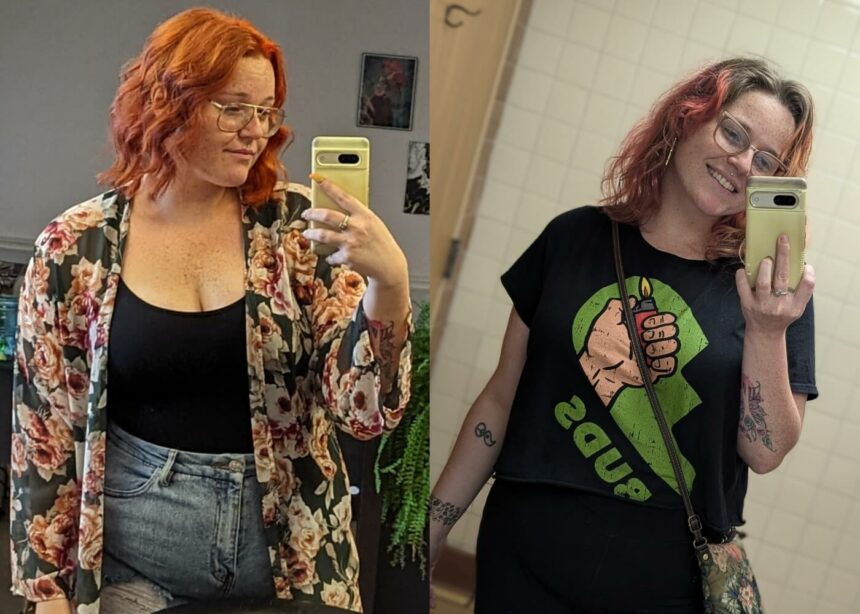
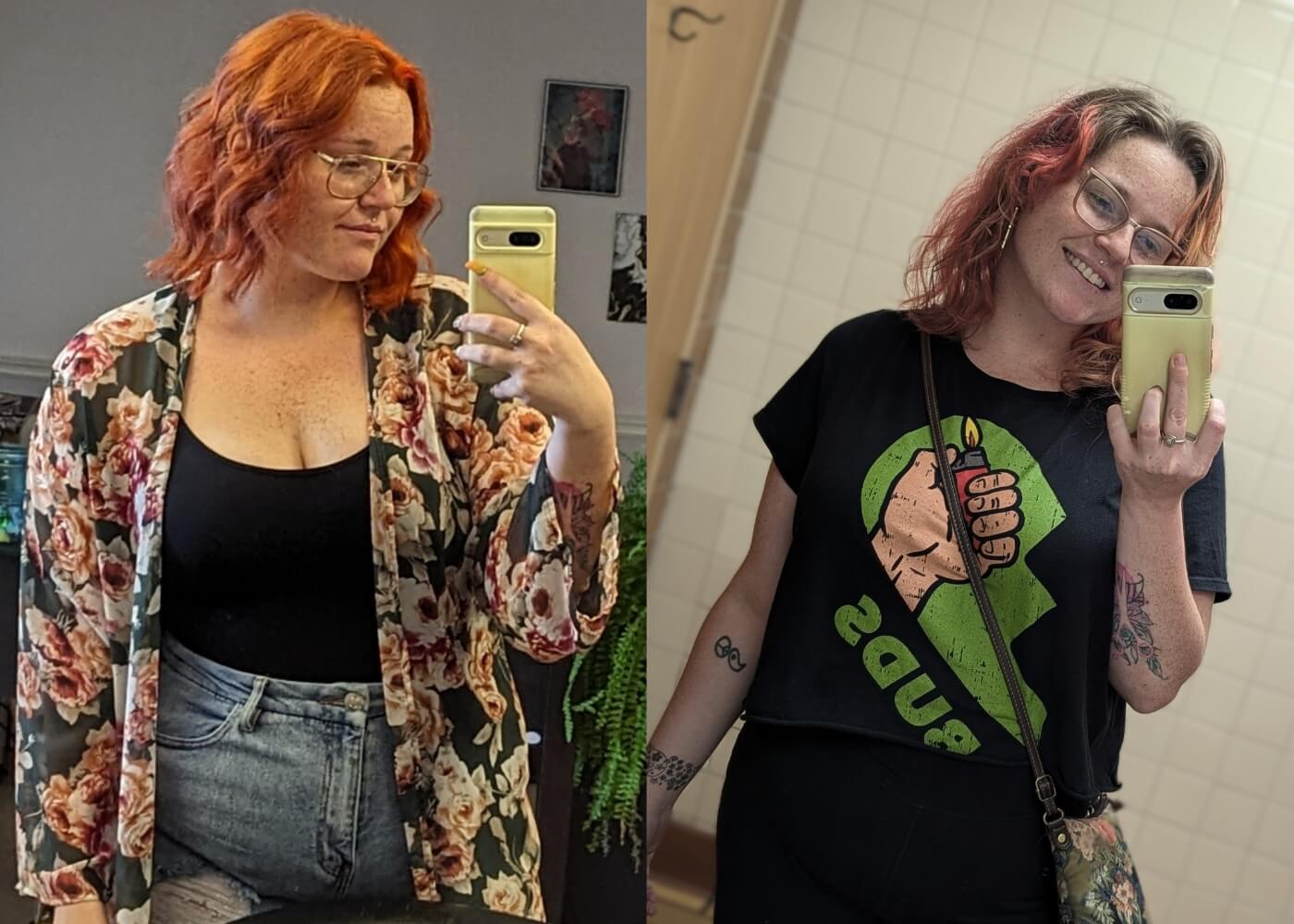
Achieving lasting weight loss and better health often requires more than a temporary diet—it demands sustainable lifestyle changes. The Mayo Clinic Diet is designed with this philosophy in mind, focusing on healthy eating habits, regular physical activity, and long-term wellness rather than quick fixes. Victoria’s story is an inspiring example of how consistent, realistic changes can lead to meaningful health improvements.
In this article, we’ll explore Victoria’s health journey with the Mayo Clinic Diet, the principles behind the program, and practical lessons that anyone can apply to their own wellness goals.
Who Is Victoria?
Like many people, Victoria struggled with maintaining a healthy weight while balancing work, family, and everyday responsibilities. Busy schedules and unhealthy eating habits made it difficult to prioritize nutrition and exercise. Instead of turning to restrictive fad diets, she chose the Mayo Clinic Diet because of its reputation for promoting sustainable lifestyle changes.
Her goal wasn’t just to lose weight—it was to improve her overall health, increase her energy levels, and build healthier habits that could last a lifetime.
What Is the Mayo Clinic Diet?
The Mayo Clinic Diet is a science-based weight management program developed by healthcare professionals. Rather than eliminating entire food groups or relying on expensive supplements, it encourages balanced nutrition and healthier daily habits.
The diet focuses on:
- Eating more fruits and vegetables
- Choosing whole grains over refined carbohydrates
- Including lean proteins
- Limiting added sugars and processed foods
- Controlling portion sizes
- Staying physically active
- Building healthy habits while breaking unhealthy ones
Its goal is gradual, sustainable weight loss that supports overall health.
Victoria’s First Steps
Victoria began her journey by making small but meaningful changes instead of trying to transform her lifestyle overnight.
Some of her first adjustments included:
- Replacing sugary drinks with water
- Preparing home-cooked meals more often
- Eating vegetables with every lunch and dinner
- Choosing healthy snacks like fruit and nuts
- Walking for at least 30 minutes most days
These manageable changes helped her build confidence and stay motivated.
Healthy Eating Habits That Made a Difference
One of the biggest lessons Victoria learned was that healthy eating doesn’t have to feel restrictive.
She focused on:
Filling Half the Plate with Vegetables
Vegetables provided essential vitamins, minerals, and fiber while helping her feel full with fewer calories.
Choosing Lean Protein
Foods such as chicken, fish, beans, tofu, and eggs helped support muscle health and improved satiety between meals.
Eating More Whole Grains
Instead of refined bread and white rice, Victoria gradually switched to:
- Brown rice
- Whole-grain bread
- Oatmeal
- Quinoa
These foods provided longer-lasting energy and additional fiber.
Practicing Portion Control
Rather than avoiding favorite foods completely, Victoria learned to enjoy them in moderation by paying attention to serving sizes and eating mindfully.
The Role of Physical Activity
The Mayo Clinic Diet encourages regular exercise as part of a healthy lifestyle.
Victoria gradually increased her activity level by:
- Taking daily walks
- Using stairs instead of elevators
- Adding light strength training twice a week
- Stretching regularly
- Staying active on weekends through hiking and cycling
These activities improved both her physical fitness and mental well-being.
Benefits Victoria Experienced
As she consistently followed healthier habits, Victoria noticed improvements beyond the number on the scale.
Some of the positive changes included:
- Steady weight loss
- Increased energy throughout the day
- Better sleep quality
- Improved confidence
- Healthier eating habits
- Greater motivation to stay active
- Reduced cravings for sugary snacks
- Improved overall mood
Her progress demonstrated that sustainable habits often produce lasting results.
Challenges Along the Way
Like most health journeys, Victoria faced obstacles.
She occasionally struggled with:
- Busy work schedules
- Dining out frequently
- Holiday celebrations
- Emotional eating
- Temporary weight-loss plateaus
Instead of giving up, she treated these moments as learning opportunities and returned to her healthy routine without guilt.
Tips Inspired by Victoria’s Success
If you’re considering the Mayo Clinic Diet or another balanced eating plan, these strategies may help:
- Set realistic, achievable goals.
- Make gradual lifestyle changes instead of drastic restrictions.
- Plan meals in advance.
- Keep healthy snacks readily available.
- Stay physically active most days of the week.
- Drink plenty of water.
- Get enough sleep.
- Track your progress to stay motivated.
Small, consistent actions often lead to greater long-term success than extreme dieting.
Is the Mayo Clinic Diet Right for Everyone?
The Mayo Clinic Diet can be a healthy option for many adults because it emphasizes balanced nutrition and sustainable habits rather than rapid weight loss. However, individual nutritional needs vary depending on age, medical conditions, medications, and personal goals.
If you have diabetes, heart disease, kidney disease, or another chronic health condition, it’s a good idea to consult your healthcare provider or a registered dietitian before making significant dietary changes.
Conclusion
Victoria’s health triumph with the Mayo Clinic Diet highlights the power of consistency, patience, and realistic lifestyle changes. By focusing on nutritious foods, regular physical activity, and healthier daily habits, she achieved more than weight loss—she gained greater energy, confidence, and overall well-being. The Mayo Clinic Diet isn’t about perfection or quick fixes; it’s about creating sustainable routines that support long-term health. Whether your goal is to lose weight, improve fitness, or simply feel better each day, adopting small, positive habits can make a meaningful difference over time.