

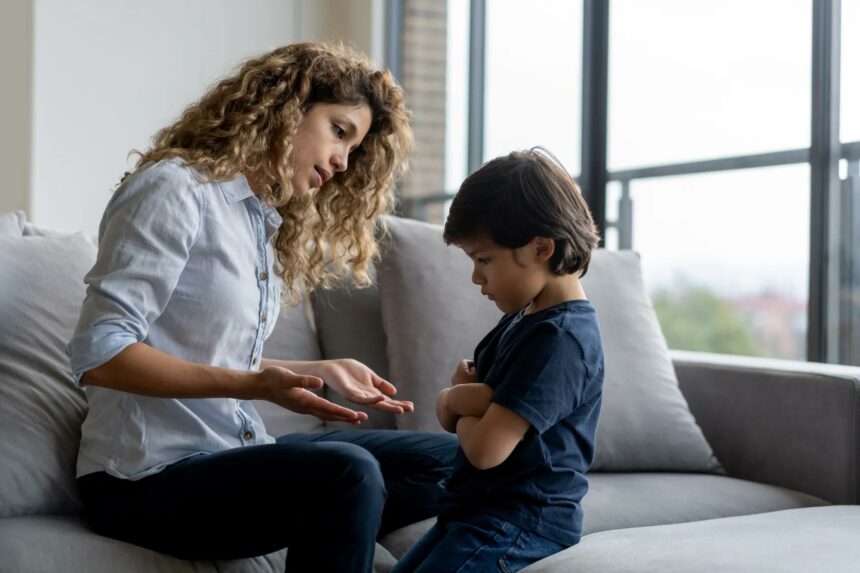
Raising responsible children is not about controlling every decision they make. It is about helping them understand boundaries, recognize consequences and gradually develop the skills needed to make good choices independently.
Discipline plays an important role in this process, but effective discipline is different from punishment. Wise discipline focuses on teaching rather than intimidating. It gives children clear expectations while helping them understand why those expectations exist.
When parents, caregivers and teachers approach discipline with patience and consistency, children can develop responsibility, self-control, empathy and confidence.
What Is Wise Discipline?
Wise discipline is a balanced approach to guiding children’s behavior. It combines clear boundaries with respect, communication and age-appropriate consequences.
The purpose is not simply to stop unwanted behavior. Instead, children should learn what they can do differently the next time a similar situation occurs.
For example, if a child repeatedly leaves toys on the floor, simply shouting may stop the behavior temporarily. A more constructive approach might involve explaining the expectation, establishing a cleanup routine and allowing the child to experience an appropriate consequence if they choose not to participate.
The child gradually learns that actions have consequences.
Discipline Is Different From Punishment
Punishment often focuses on making a child suffer for doing something wrong. Discipline, when used constructively, focuses on teaching.
This distinction can change the entire parenting approach.
A punishment-centered response might involve yelling, humiliation or excessive penalties. A teaching-centered response asks questions such as: What happened? Why was it a problem? Who was affected? What can we do differently next time?
This does not mean children should have unlimited freedom. Clear limits remain important. The difference is that boundaries are communicated in ways that help children understand and learn.
Set Clear and Consistent Expectations
Children need to know what adults expect from them.
Rules should be simple enough for the child’s age and development. Instead of creating a long list of restrictions, families can focus on a few important expectations.
For example, children might be expected to speak respectfully, put away their belongings and follow safety rules.
Consistency matters because unpredictable rules can confuse children. If a behavior is acceptable one day and unacceptable the next without explanation, it becomes difficult for a child to understand the boundary.
Consistency does not mean responding identically in every situation. Parents can consider context while keeping the underlying values stable.
Explain the Reason Behind Rules
Children are more likely to understand boundaries when adults explain why they exist.
Rather than simply saying, “Because I said so,” parents can explain the purpose of a rule.
A bedtime routine, for example, can be connected to the importance of rest. A rule about holding hands near traffic can be connected to safety.
These explanations help children eventually internalize rules rather than following them only because an adult is watching.
Allow Natural and Logical Consequences
Consequences can be valuable learning opportunities when they are appropriate and connected to the behavior.
A child who forgets to put a toy away may not be able to find it later. A child who delays getting ready for an activity may have less time to play beforehand.
Logical consequences should be reasonable and related to the behavior. They should not be designed to embarrass or frighten the child.
The objective is to help children understand cause and effect.
Teach Children to Take Responsibility
Responsibility develops through practice.
Children can gradually take on age-appropriate tasks such as putting away toys, preparing school materials, feeding a pet or helping with household chores.
Adults should resist the temptation to do everything themselves simply because it is faster.
Allowing children to complete manageable tasks gives them opportunities to experience competence and ownership.
Mistakes are part of this process. A child who spills something can learn to clean it up with appropriate assistance instead of simply being punished for making the mess.
Encourage Problem-Solving
Responsible individuals need to make decisions and solve problems.
When children face minor difficulties, parents can avoid immediately providing the answer. Instead, they can ask questions that encourage thinking.
“What do you think you could try?”
“What might happen if you choose that option?”
“Is there another way to solve the problem?”
These questions help children practice evaluating choices.
As children grow older, these problem-solving skills can become increasingly important in school, friendships, work and everyday life.
Model Responsible Behavior
Children learn a great deal by observing adults.
Parents who apologize after making mistakes, keep promises, respect others and manage frustration constructively demonstrate the behaviors they want their children to develop.
It is unrealistic to expect adults to behave perfectly. In fact, acknowledging mistakes can be an important lesson.
When a parent says, “I became frustrated and spoke too loudly. I’m sorry. Next time I will take a moment before responding,” the child sees that responsibility includes accountability and repair.
Praise Effort and Responsible Choices
Positive feedback can reinforce desirable behavior.
Instead of praising children only for achievements, recognize behaviors such as persistence, honesty, cooperation and responsibility.
Specific praise is often more meaningful than generic statements.
For example, saying, “You remembered to pack your school bag without being reminded,” clearly identifies the behavior being recognized.
The goal is not to praise every small action but to help children notice the connection between their choices and positive outcomes.
Teach Emotional Regulation
Responsible behavior becomes difficult when children are overwhelmed by strong emotions.
Children need opportunities to learn how to recognize feelings and manage them appropriately.
Adults can model strategies such as taking a pause, breathing slowly, using words to express frustration or asking for help.
Emotional regulation develops gradually. Younger children may need considerable adult support, while older children can increasingly practice these skills independently.
Avoid Humiliation and Fear
Discipline should never depend on humiliation, threats or fear.
A child who is constantly shamed may become more focused on avoiding punishment than understanding the behavior.
Respectful discipline communicates that a behavior may be unacceptable without suggesting that the child is fundamentally bad.
Separating the child from the behavior is important. “That choice was unsafe” communicates something very different from “You are a bad child.”
Adapt Discipline to Age and Individual Needs
There is no single discipline strategy that works equally well for every child.
A toddler has different reasoning abilities from a teenager. Children also differ in temperament, communication skills and developmental needs.
Expectations should therefore be realistic and age-appropriate.
Parents may need to repeat instructions, provide choices or offer additional support for younger children. Older children can participate more actively in discussions about rules and consequences.
Build Responsibility Through Trust
As children demonstrate responsible behavior, adults can gradually give them more independence.
This might involve allowing an older child to organize schoolwork, manage a small allowance or make decisions about extracurricular activities.
Freedom and responsibility should develop together. Greater independence works best when children understand the expectations associated with it.
Trust does not mean removing all supervision. It means gradually preparing children to make decisions without constant adult direction.
Final Thoughts
Wise discipline is ultimately about preparing children for life beyond childhood.
The goal is not to create children who obey every instruction without question. It is to help them become individuals who can think about their choices, understand consequences, respect others and take responsibility for their actions.
Clear boundaries, consistent expectations, logical consequences, emotional support and positive role modeling can all contribute to this development.
Children will make mistakes—and that is an essential part of learning. When adults treat those mistakes as opportunities to teach rather than simply reasons to punish, discipline becomes a tool for growth.
With patience and consistency, wise discipline can help children gradually develop the independence, judgment and responsibility they need to become capable adults.