
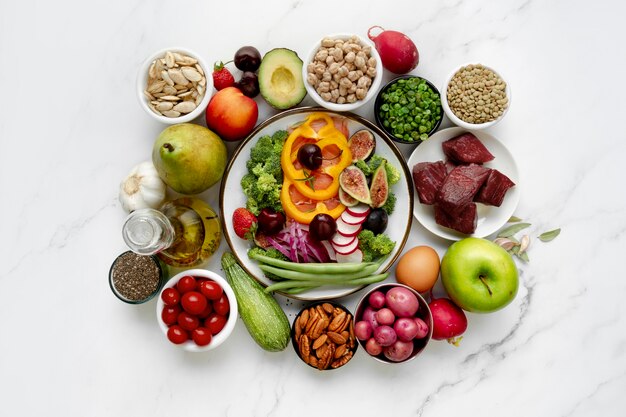
Types of nutritious food Choosing a diet that is not only healthy but also easy to stick to is the most important step in losing weight. When we use the word ‘sustainable’ to describe a diet, we mean the one that doesn’t involve any ‘quick fixes’. We often choose a diet that has worked for someone else. However, we forget that everyone’s body is different, and hence from that standpoint, the diet they choose must be unique to their body and health profile as well.

Typically, a fad diet emphasizes drastically reducing calories, which will undoubtedly result in rapid weight loss. However, a reasonable and healthy weight loss plan should focus on a diet that allows a weight loss of ½ – 1 kg per week, without compromising on your health. The Mediterranean, low-carb (whole food), vegan, and paleo diets are among the various healthy, organic diets we will discuss in detail here. Diet of the Mediterranean The Mediterranean diet includes fresh fruits, vegetables, poultry, fish, whole grains, dairy products, legumes and extra virgin olive oil. It predominantly comprises anti-inflammatory foods, with a low intake of meats and dairy products. Simply put, it is based on the predominant diet that people of the Mediterranean region have. When compared to the American diet, the Mediterranean diet is considered to be more healthy with a low risk of chronic lifestyle diseases. There are numerous studies that show that those on a Mediterranean diet are relatively healthier, with an increased ability to lose weight, prevent heart attacks, Type 2 diabetes, and other metabolic disorders, thereby reducing the risk of premature deaths.
Low-Carb (Whole Foods Diet)
A meal plan that restricts or limits carbohydrates (starches, processed foods, and sugars) like those found in bread, pasta, and desserts is known as a low-carb, whole-food diet, as the name suggests. Consequently, the diet comprises more whole foods such as healthy vegetables, lean meat, other forms of protein, and healthy fats like nuts and seeds.
While there is no rigid definition, you can consume somewhere between 100-150 gm of carbohydrates in this type of diet. However, if you are on a keto diet and want to get into ketosis – a process that takes place when your body doesn’t have enough carbs to burn for energy and burns fat instead, which the body uses as fuel – then you must reduce the carb quantity even more. While a ketogenic diet gives faster results, it may not always be sustainable.
Studies show that a long-term low-carb diet is more sustainable, helps lose weight and lowers the risk of chronic diseases. It is a flexible diet and you can adjust your carb intake depending on how much exercise you do and how much weight you want to lose.
Vegan Diet
The vegan diet has come up in a big way in the past decade. As people continue to get more and more health conscious, they are deliberately choosing to make the shift towards adopting a plant-based diet, sourcing their proteins from legumes, pulses, nuts, beans, and soy products in place of eggs, meat, fish and dairy foods due to the low health risks associated with them. Not only does it help lose weight, but studies show that a vegan diet also helps improve heart health and get better blood sugar control. Along with this diet, you can try out Wellbeing Nutrition’s plant-based products that help to fill in the gaps in your nutrition and help you achieve a healthier lifestyle.
Paleo Diet
This is a very popular diet that is extremely effective for weight loss and your overall well being. Research shows that a paleo diet helps raise your metabolism, reduce your appetite, manage hormone levels and regulate your weight. This diet emphasizes on consuming unprocessed foods that resembles those available in the paleolithic age. Simply put, you can eat meat, fish, eggs, vegetables, fruits, nuts, seeds, herbs, spices, healthy fats and oils. What you can’t eat includes processed foods, soft drinks, grains, sugar, most dairy products, artificial sweeteners, legumes, vegetable oils, margarine and trans fats.
Take Away
Not everyone shares a healthy relationship with food and fitness and for these people it gets even more difficult to stick to a diet that is sustainable and healthy. Some of the organic diets that will help you stay on track with your weight loss journey include the ones mentioned above. There are other diets like the gluten-free diet, flexitarian diet, ultra-low fat diet, zone diet, HCG diet, and the like, but we have tried to provide you with options that are there for the long haul. You can pick and choose which one works best for you.