
As healthcare systems around the world face growing challenges—including aging populations, caregiver shortages, and increasing demand for long-term care—innovative technologies are stepping in to support both patients and healthcare professionals. One such innovation is the self-driving toilet, a mobility-assisted device designed to help individuals with limited mobility safely access restroom facilities.
While the idea may sound futuristic, the goal of a self-driving toilet is not to replace human caregivers. Instead, it is designed to reduce the physical strain of caregiving, improve patient independence, and enhance safety in hospitals, nursing homes, and assisted living facilities. By automating one of the most physically demanding daily tasks, this technology has the potential to make caregiving more efficient while preserving dignity for those receiving care.
What Is a Self-Driving Toilet?
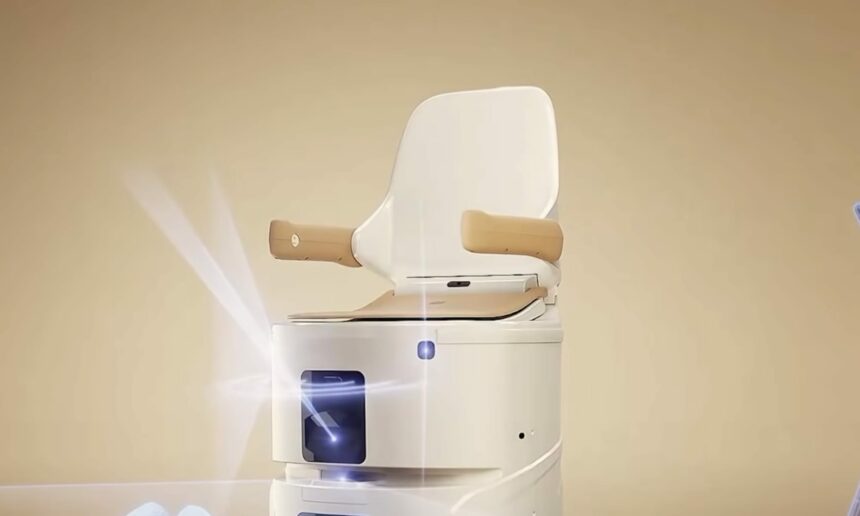
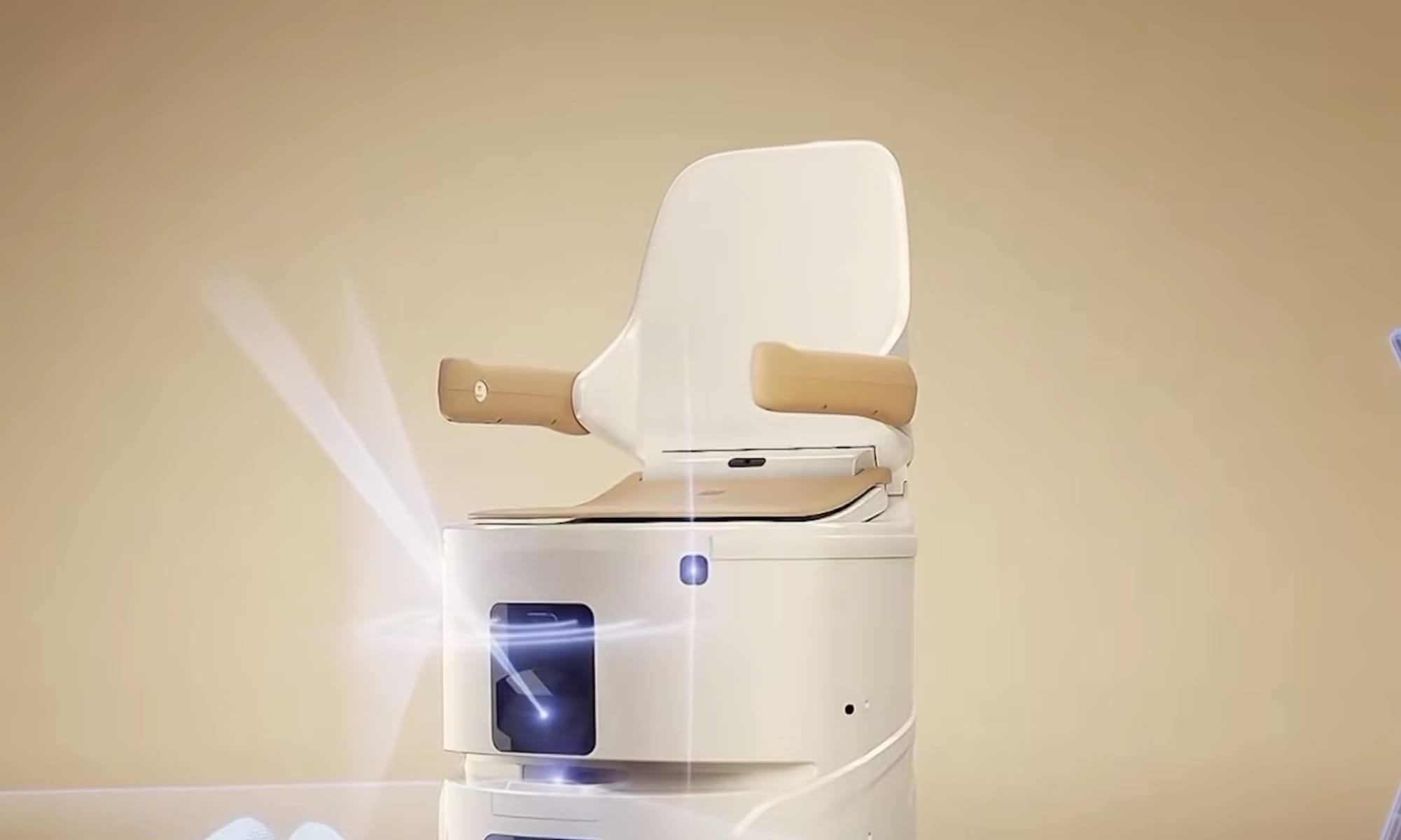
A self-driving toilet is an advanced mobility device that combines autonomous navigation with a portable toilet system. Using sensors, cameras, and artificial intelligence (AI), the device can move safely within indoor environments, allowing individuals with mobility challenges to access toilet facilities with minimal assistance.
Some prototypes are designed to:
- Navigate around obstacles.
- Transport users safely.
- Adjust positioning automatically.
- Assist with transfers.
- Integrate with smart healthcare systems.
Although still in the development and testing stages in many regions, these devices represent an exciting step forward in assistive technology.
Why Caregivers Need More Support
Caregiving is physically and emotionally demanding. Professional caregivers and family members often assist individuals with daily activities such as bathing, dressing, eating, and using the bathroom.
Helping someone transfer to and from the toilet is one of the most frequent and physically strenuous tasks. Repeated lifting and repositioning can lead to:
- Back injuries
- Muscle strain
- Fatigue
- Workplace injuries
- Caregiver burnout
By reducing the physical effort required for these tasks, assistive technologies can help caregivers remain healthy and continue providing quality care.
Addressing the Growing Caregiver Shortage
Many countries are experiencing shortages of healthcare workers and caregivers due to aging populations and increasing demand for long-term care services.
As the number of older adults continues to rise, healthcare systems must find ways to support caregivers without compromising patient care.
Technologies like self-driving toilets can:
- Improve caregiver efficiency.
- Reduce repetitive physical tasks.
- Allow caregivers to focus on complex medical and emotional needs.
- Help manage growing patient populations more effectively.
Rather than replacing caregivers, these tools act as supportive assistants.
Promoting Independence for Patients
Maintaining independence is important for physical and emotional well-being.
For individuals recovering from surgery, living with disabilities, or experiencing age-related mobility limitations, needing assistance with toileting can be uncomfortable and emotionally challenging.
A self-driving toilet may help users:
- Retain greater privacy.
- Perform daily routines with less assistance.
- Improve confidence.
- Reduce feelings of dependency.
- Maintain dignity.
Even small increases in independence can significantly improve quality of life.
Enhancing Safety
Falls are one of the leading causes of injury among older adults, particularly during bathroom visits.
Smart mobility systems can improve safety through features such as:
- Obstacle detection
- Automatic braking
- Stable movement
- Precision positioning
- Emergency stop functions
- Remote monitoring
These features help reduce the risk of accidents while moving between beds, chairs, and bathroom facilities.
The Role of Artificial Intelligence
Artificial intelligence powers many of the navigation and safety functions found in self-driving assistive devices.
AI enables the system to:
- Map indoor environments.
- Identify obstacles.
- Choose safe travel paths.
- Learn frequently used routes.
- Adapt to changing surroundings.
As AI technology advances, these devices are expected to become even more reliable and user-friendly.
Benefits for Healthcare Facilities
Hospitals and long-term care facilities face increasing pressure to deliver high-quality care with limited staffing.
Self-driving assistive technologies may offer several operational benefits:
- Reduced caregiver injuries
- Lower staff fatigue
- Improved workflow efficiency
- Better allocation of healthcare resources
- Enhanced patient satisfaction
By automating repetitive tasks, caregivers can spend more time on medical treatment, rehabilitation, and emotional support.
Challenges and Limitations
Despite their promise, self-driving toilets are not without challenges.
Potential limitations include:
- High development and purchase costs
- Maintenance requirements
- Training for users and caregivers
- Space limitations in existing facilities
- Battery life concerns
- Regulatory approval processes
Healthcare providers must carefully evaluate these factors before widespread adoption.
Human Care Cannot Be Replaced
Although robotics and AI continue to advance, caregiving involves much more than completing physical tasks.
Caregivers provide:
- Emotional support
- Compassion
- Communication
- Clinical judgment
- Problem-solving
- Personalized care
Technology cannot replicate empathy or the human connection that is essential to quality healthcare.
Instead, assistive devices should be viewed as tools that complement—not replace—professional caregivers.
Ethical Considerations
Introducing robotics into healthcare also raises important ethical questions.
Developers and healthcare organizations must ensure:
- Patient privacy
- Data security
- Informed consent
- Accessibility for diverse populations
- Fair distribution of technology
Ethical implementation is essential to building trust among patients, caregivers, and healthcare providers.
The Future of Assistive Robotics
Self-driving toilets are part of a broader movement toward intelligent assistive technologies.
Future innovations may include:
- Robotic transfer assistants
- Smart hospital beds
- Autonomous wheelchairs
- AI-powered rehabilitation devices
- Voice-controlled home care systems
Together, these technologies could create safer and more supportive environments for both patients and caregivers.
A Collaborative Approach to Care
The greatest potential of assistive robotics lies in collaboration.
Imagine a healthcare setting where:
- Smart devices handle repetitive physical tasks.
- Caregivers focus on patient interaction.
- AI monitors safety.
- Healthcare professionals make informed clinical decisions.
This partnership between technology and human expertise can improve efficiency without sacrificing compassionate care.
Conclusion
The idea of a self-driving toilet may seem unconventional, but its purpose addresses a very real challenge in modern healthcare. By assisting with one of the most physically demanding aspects of caregiving, this technology has the potential to reduce caregiver injuries, improve patient safety, and promote greater independence for individuals with mobility limitations.
However, no machine can replace the empathy, judgment, and personal connection that caregivers provide every day. Instead, self-driving toilets and similar assistive technologies should be viewed as valuable tools that enhance caregiving rather than replace it. As healthcare continues to evolve, the most successful solutions will combine innovative technology with compassionate human care, creating a future where both caregivers and patients benefit.